Monthly Archives: January 2026

Caring for Orchids

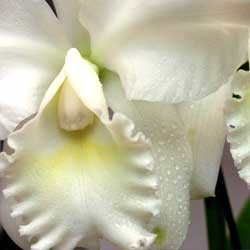
Orchids can be an amazing addition to your indoor landscape, but unfortunately they have a reputation for being finicky and difficult. While they do require precise care, if you know what their needs are, you can easily grow a variety of beautiful orchids and enjoy their exotic loveliness throughout the year. To care for orchids properly…

  • Provide Good Light
    Orchids need at least 6-8 hours of bright indirect light or morning sun. Light is the key with growing orchids – without enough proper light, an orchid may live 20 years but never rebloom.
  • Increase Humidity
    Orchids are tropical and some varieties require from 65-75 percent humidity. The plant can sit on pebbles in a water-filled tray that is kept filled up as it evaporates. Grouping orchids can also improve their collective humidity.
  • Adjust Temperature
    Ideal orchid temperatures vary depending on the type of orchid and the time of year. Warm orchids require 55-65 degrees temperatures at night with daytime warmth reaching 75-85 degrees. Cool orchids need the same night time temperatures, but only 65-75 degrees during the day.
  • Water Appropriately
    Water the plant every 5-7 days in the sink, as the growing medium has fast drainage. Smaller orchids may need watered every 3-4 days. The water should be room temperature and without any additives other than fertilizer.
  • Fertilizing
    Use a Blossom Booster fertilizer with every other watering while in bloom. When not in bloom, use 30-10-10 fertilizer every two weeks.
  • Repotting
    Use only a potting mixture designed for orchids. These mixes are made up of different size fir bark pieces, perlite and even charcoal. Repot your orchid when it is nearly overgrown with roots and is not in bloom. This will average about every 2-4 years.
  • Resting Period
    After blooming or producing new growth, most orchid varieties go into a rest period. Reduce the watering slightly and maintain good lighting to allow them to reenergize.

Blooming Orchids

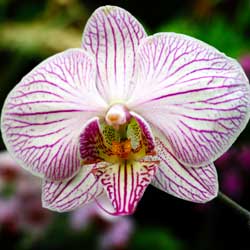
Each type of orchid requires different conditions to bloom (example: Phalenopsis need 6 weeks of cold nights). When you achieve that delicate balance and your orchid bursts forth with a delicate bloom, make sure you do not change your cultural practices or the plant will abort the buds. Even a small change in humidity, temperature or light can cause the plant to abort its bloom, but when you keep the conditions stable, you’ll enjoy the reward these exotic flowers offer.

caring-orchid-1

caring-orchid-2

caring-orchid-3

Attracting Birds to Your Garden

One of the benefits of a garden is the wildlife it attracts, and birds are some of the most popular garden wildlife. Most birds are voracious eaters that are glad to keep the insect population down, and may eat 500-1,000 insects in one afternoon. This makes them ideal for natural (and free!) pest control. Anything you can do to attract birds will make your garden healthier and you’ll be entertained by their feeding antics along the way.

Fortunately, it is easy to attract birds to your garden if you meet their needs for food, shelter, water and overall habitat variety.

Food

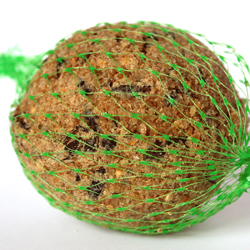
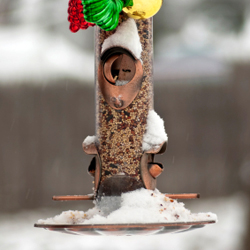
While birds will certainly eat insects and may munch on seeds, berries and fruits in the garden, consider placing a variety of bird feeders in your garden to entice even more birds to visit. Platform feeders attract ground birds, hanging feeders are for perching birds and suet holders attract insect-eating birds. Suet is especially important during the winter as this helps birds maintain their body temperature by adding fat to their diet. Hang plastic mesh bags of suet or pinecones dipped in suet (or peanut butter) from the limbs of trees.

For your other feathered guests, white millet and black oil sunflower seeds will attract the most common seed-eating birds and can be sprinkled directly on the ground or added to feeders. Add other species-specific seed like Nyjer (thistle) seed (to attract goldfinches, pine siskins and purple finches) or peanuts (to attract chickadees, jays and tufted titmice) to your buffet. Various gourmet seed mixes are also available like Lyric Supreme, Delight, Chickadee, Woodpecker and Finch Mixes, each of which is blended with specific birds in mind and includes the foods those birds like best.

Shelter and Nesting Sites

Birds feel more secure if they have shelter to protect themselves from the weather and other predators. Plant native trees and shrubs birds will easily recognize as suitable shelter. If your landscape is young and doesn’t include much shelter for birds, don’t worry. Consider building a brush pile or adding a loose woodpile to the yard and birds will happily take advantage of it.

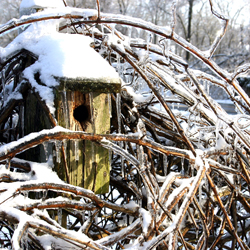
You may also want to add nesting boxes or bird houses and other materials for birds to raise their young. This should be done in late winter or early spring just as birds are beginning to look for nesting sites. Clean houses or boxes after each nesting season.

Water

One of the most important things to include in your bird-friendly garden is water. This is especially true during the winter months. Use a bird bath heater to keep water from freezing. Ideal water sources are 2-3 inches deep and 3 feet off the ground to keep visiting birds safer from prowling predators. Moving water is a magnet for most birds and will attract them from great distances for a drink or bath. A mister, dripper or circulating pump can be added to a bird bath or other water feature during most of the year, but take care to winterize the equipment properly so it does not freeze and break during the coldest months.

Habitat Variety

Because birds live in many different habitats, the variety of plant material you can offer in your backyard will determine how many birds are attracted to your garden. Consider native plants, plants with berries, fruits, sap and nectar for year-round food sources as well as nesting materials. Plan your landscape in tiers and flowing, connected beds so birds can move around easily, and include a variety of both deciduous and evergreen plantings so birds can find the habitat useful year-round.

We carry a complete line of bird feeders, houses, seed mixes and suets as well as garden accents; all the accessories and plants you will need to start attracting birds to your backyard. Stop by today!

atracting-bird-1

Winter Composting the 3-Bucket Way

It’s cold outside and the compost pile is frozen. Do you really feel like hauling kitchen scraps out into the winter wasteland only to have them picked through by scavengers when there isn’t enough bacteria available to break them down? Fortunately, there is an alternative. Keep your kitchen scraps cooking this winter and producing buckets of black gold for the garden next spring while you stay warm and cozy. Try the three-bucket system in your basement or heated garage – no odor, no pests and very easy!

The 3-Bucket System

Try these easy steps for the 3-bucket composting system in your basement or heated garage, where there is just enough warmth to keep the system operating without the microbes and outer layers of the compost freezing. Five-gallon painter buckets with lids work great or plastic trash cans with lids make the job a cinch. Even better are cans with wheels, so you can easily move your compost out to the garden for spring use!

  1. Fill bucket #1 with sawdust or peat moss mixed with equal parts dry soil. Add a little limestone and cover with lid.
  2. On the bottom of bucket #2, place about one inch of dry straw, leaves or shredded newspaper. Dump your kitchen scraps on top as they become available, each time sprinkling on some of the sawdust/soil mixture from bucket #1 to absorb odors and excess moisture. If you have a lot of scraps to add all at one time, portion them out and add as smaller amounts, covering each addition with the sawdust/soil mixture. Replace the lid after each addition. If there are any large pieces of scraps you may want to chop them smaller before adding to help speed the decomposition process. If your scraps are holding excess water, let them drain well before adding them to the bucket.
  3. When bucket #2 is full start filling bucket #3, using the same process you used with bucket #2. By the time bucket #3 is full, the contents of bucket #2 should be well on the way to becoming compost. Despite calling this the 3-bucket system, you can actually keep adding as many buckets as you need through the winter, but number them appropriately so you can keep track of which ones are most composted to be used first.
  4. Use and enjoy in the spring!

While the 3-bucket compost system won’t replace your compost pile, it’s still a great way to continue composting through the winter so you have plenty of rich, organic material to add to your garden in spring. Don’t let the scraps and waste from winter days be lost in the trash – turn that trash to treasure for your garden!

Decorating Your Home With Houseplants

Bring the bright atmosphere of a tropical vacation into your home this winter with houseplants. An integral part of your home décor, houseplants not only artistically improve your home, they also cleanse and freshen your indoor air quality. Plants take in carbon dioxide and release clean, pure oxygen. Some plants even absorb certain air toxins, potentially harmful radiation or unpleasant smells. Houseplants also add welcome humidity to the air we breathe, and filter dust particles for a cleaner environment. While houseplants can improve your life in many ways, they must be selected to fit successfully into your lifestyle.

Don’t Consider Light Lightly

When selecting a foliage plant, first determine what type of light you have – this will be the best key to the plant’s health and survival. Look at the area where you would like to keep the plant through the entire day to determine if the light changes. You will also want to keep in mind the time of year – the light will change with different seasons as well as the angle of the sun. 

  • Low Light – 3-4 hours of indirect light. Don’t confuse this type of light with no light. If you can sit in the room and read comfortably without turning on a light, it is low light. If you must turn a light on, then it’s considered no light.
  • Medium Light – 4-6 hours of indirect or direct morning sun.
  • High Light – Direct or indirect sun for 6-8 hours a day. Direct afternoon sun in the winter can be too hot for many houseplants. Be careful this time of year because many plants can get sunscald.

No matter what the light levels in different rooms of your home, there are plants that can be comfortable there. If you aren’t sure what your light may be or which plants may thrive, we also recommend you talk to one of our experts about your particular situation for best results.

Low Light Plants

  • Aglaonema
  • Dracaena Warneckii
  • Homolomena
  • Dracaena Janet Craig
  • Pothos
  • Philodendron
  • Spathiphyllum
  • Philodendron Xanadu

Medium Light Plants

  • Corn Plant
  • Norfolk Island Pine
  • Bamboo Palm
  • Ming Aralia
  • Podocarpus
  • Schefflera Amate
  • Spathiphyllum Domino
  • Arboricola
  • Anthirium
  • Ficus Alii
  • Lubersii

High Light Plants

  • Palms
  • Yucca Cane
  • Sago Palm
  • Crotons
  • Fishtail Palm
  • Banana
  • Zamia

A Word About Watering

The smaller the pot, the more frequently you will need to water your houseplant. Small pots (2-3 inches) might need water every day depending on the plant’s needs and the richness of the soil. A 4-6 inch pot may need water every 3-4 days, whereas a 10-inch pot (or larger) usually only requires water every 4-6 days. These guidelines can change depending upon the location of the plant, the type of pot, variety of plant, soil condition, general humidity, time of year and weather conditions. Plants don’t utilize as much moisture on gray days as they do on sunny days.

Because so many factors can impact houseplant watering, determining the watering schedule for large pots (over 10 inches) can be difficult. To help, take a natural wooden dowel and push it into the soil until it reaches the bottom of the pot. After you pull the dowel out, you will be able to see the wetness on the bottom of the stick (if there is any). Also, remember that the larger the pot, the more water will be held in the soil at the bottom – even if there are drainage holes.

Fertilizing

Most foliage or non-flowering houseplants prefer 20-20-20 fertilizer once a month, year-round. You can increase the feeding to twice a month during the growing season. Flowering plants have different fertilizing needs depending on their bloom schedules and growth productivity. Investigate the needs of your individual plants and feed them appropriately.

Houseplants can add great beauty and many benefits to your home. Once you begin choosing houseplants, you’ll soon be enjoying them in every room and every season.

Ideas for Creating Winter Interest in the Garden

How does your winter landscape look from inside your home? Even if it’s bleak and uninteresting, it can be easy to renovate and redecorate – just treat it like your home! Perk it up by using your indoor decorating skills outdoors.

When you decorate your house, you make it interesting and inviting by hanging pictures on the walls, creating focal points with houseplants or statuary, adding color and displaying collections. A garden is no different. Texture, layers, colors, scents, sounds and movement all combine to create a wonderful space to enjoy when outside in the summer and from inside the house during the winter.

If the temperatures are low and the snow is deep you can’t plant right now, but these plants could go on your wish list in your gardening journal to enhance the view next winter. Here are some suggestions to get your dreaming started…

Colorful Berries

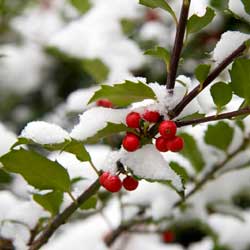
Not only can berries add an easy burst of color to the landscape no matter which direction you view it from, but they can attract winter wildlife as well. Winter berries may be black, white, red, orange, pink, purple, blue or golden. Popular options include…

  • Hollies (Ilex spp.)
  • Red Chokeberry (Aronia arbutifolia)
  • Korean Barberry (Berberis koreana)
  • Japanese Barberry (Berberis thunbergii)
  • Florida Dogwood (Cornus florida)
  • Cotoneaster varieties
  • Creeping Wintergreen (Gaultheria procumbens)
  • Heavenly Bamboo (Nandina domestica)
  • Winter King Hawthorn (Crataegus viridis ‘Winter King’)
  • Linden Viburnum (Viburnum dilatatum)
  • European Cranberrybush (Viburnum opulus)
  • Bayberry (Myrica pensylvanica)
  • Crabapples (Malus spp.)

Ornamental Bark

Exfoliating, or peeling, barks may reveal underlying bark of the same or differing color. Patterned, ridged or furrowed bark offers visual interest, especially against snow. Consider…

  • Paperbark Maple (Acer griseum)
  • Striped Maple (Acer pensylvanicum)
  • Arctic Fire Dogwood (Cornus stolonifera)
  • Redosier Dogwood (Cornus sericea)
  • American Hornbeam (Carpinus caroliniana)
  • Cinnamon Clethra (Clethra acuminata)
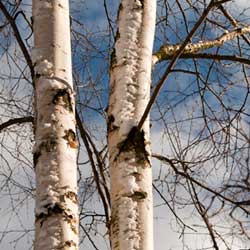
  • Paper Birch (Betula papyrifera)
  • Yellow Birch (Betula alleghaniensis)

Seed Heads

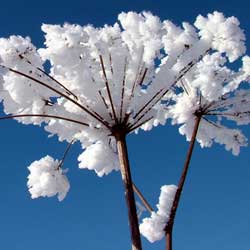
Although we often deadhead plants as blossoms die, leaving a few to overwinter is a fabulous idea. Not only do they provide uniquely organic winter sculptural interest to the garden, but they also provide feed and protection for birds. Winter seed heads, when backlit by the low winter sun, really add pop in the landscape. Try leaving some seed heads on the following plants…

  • Hydrangeas
  • Roses
  • Sedums such as Autumn Joy
  • Rudbeckias
  • Echinacea
  • Astilbe
  • Caryopteris

Unusual Branching

Especially beautiful when encased in ice, unusual branching patterns create natural focal points pulling the viewer’s vision through the winter garden. These plants prove a winter garden doesn’t need to be boring…

Twisting Growth:

  • Harry Lauder’s Walking Stick (Corylus avellana ‘Contorta’)
  • Curly Willow (Salix matsudana ‘Tortuosa’)
  • Twisty Cryptomeria (Cryptomeria japonica ‘Rasen-Sugi’)
  • Dwarf Twisty Baby Black Locust (Robinia pseudoacacia ‘Lacy Lady’)
  • Contorted White Pine (Pinus strobus ‘Contorta’)

Weeping Shape:

  • Weeping Cherry (Prunus subhirtella varieties)
  • ‘Lavender Twist’ Weeping Redbud (Cersis canadensis ‘Covey’)
  • Weeping Crabapples (Malus spp.)
  • Maples (Acer spp.)

Ornamental Grasses

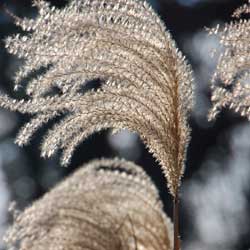
Nothing adds structure to the winter garden like ornamental grasses. Whether blowing in the breeze and adding movement or covered with reflective ice, grasses add texture, volume and the subtle colors of seed heads. Great options include…

  • Silvergrass (Miscanthus spp.)
  • Switchgrass (Panicum spp.)
  • Northern Sea Oats (Chasmanthium)
  • Karl Foerster Feather Reed Grass (Calamagrostis ‘Karl Foerster’)
  • Fountaingrass (Pennisetum alopecuroides or P. setaceum ‘Purpureum’)
  • Tufted Hairgrass (Deschampsia cespitosa)
  • Pampas Grass (Cortaderia selloana ‘Pumila’)

Evergreens

No garden is complete without evergreens. Broadleaf evergreens and conifers establish the garden’s foundation. They anchor the beds when the perennials disappear, define boundaries and pathways and soften hard edges. Many broadleaf evergreens also provide summer flowers and fragrance.

Broadleaf Evergreens:

  • Aucuba japonica
  • Azalea and Rhododendron varieties
  • Boxwood varieties
  • Holly varieties
  • Laurels
  • Leucothue
  • Pieris varieties
  • Skimmia
  • Yucca

Conifers:

  • Spruces such as Dwarf Alberta Spruce (Picea glauca var. albertiana ‘Conica’)
  • Silver Korean Fir (Abies koreana ‘Horstmann’s Silberlocke’)
  • Umbrella Pines such as Japanese Umbrella Pine (Sciadopitys verticillata)
  • Junipers such as Blue Star Juniper (Juniperus squamata ‘Blue Star’)

Bulbs

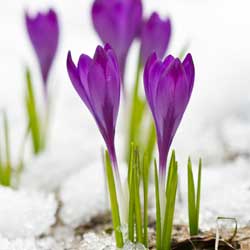
Several early bulbs emerge in the winter. Planted in the fall near entrances and along walkways, they offer their promise spring is just around the corner and can add a burst of color to the end of winter. Popular options include…

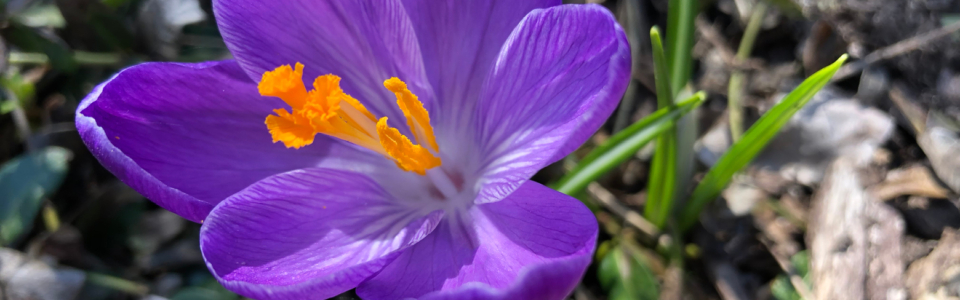
  • Crocus varieties
  • Yellow Danford Iris (Iris dandordiae)
  • Snowdrops
  • Blue Silberian Squills (Scilla)
  • Snow Glories (Chionodoxa)
  • Grape Hyacinth (Muscari)
  • Hyacinths

Even though you can’t being planting now, you can begin planning, and perhaps even installing, non-plant garden features such as benches, yard art or lighting. LED lighting along pathways may be high on your list and we have the newest products to help your guests navigate to your doorway in any season. A bench, arbor or trellis adds structure and interest to the garden and will make a perfect meditation spot or reading nook when the weather warms up. You might want to plan a pond, the perfect spot for a fountain or even consider adding a sundial, fire pit or other unique feature to the yard. Whatever your garden dreams, we can help you achieve them, and you’ll never look out at your winter garden and wonder what could be again!

CreatingWinterInterest_1CreatingWinterInterest_2CreatingWinterInterest_3

CreatingWinterInterest_4

CreatingWinterInterest_5

Easy-to-Grow Indoor Herbs for Winter

Even though it may be miserable weather outside, you don’t have to be stuck buying overpriced fresh herbs at the store or using less flavorful dried herbs. Why not grow your own inside the house? Most common herbs will grow quite happily in a sunny window at any time year, even when the weather outside is less than garden-friendly.

Where to Grow Your Herbs

Any sunny window can be great for growing indoor herbs, but most people prefer to keep their herbs in the kitchen. After all, it’s probably warm and sunny there. Moreover, think how great it would be to just reach over to your indoor herb garden, take a few snips of this and that, and serve “garden fresh” tasting foods to your family and guests.

Best Indoor Herb Choices

Wondering what herbs will do best indoors? The most popular and easily grown herbs for your kitchen garden include…

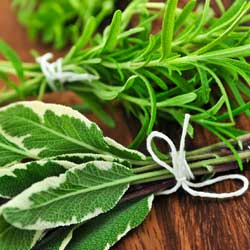
Basil Oregano
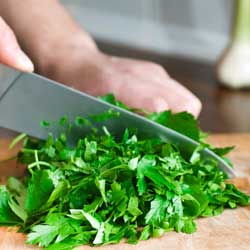
Chives Parsley
Lemon Balm Rosemary
Marjoram Sage
Mint Thyme

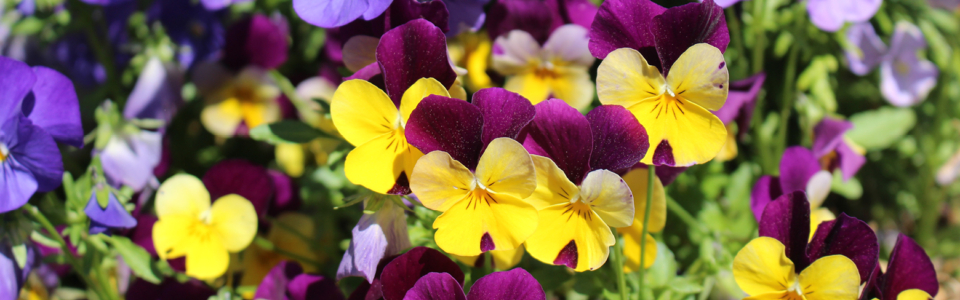
Herbs are great, but don’t overlook edible flowers as well! Pansies, marigolds and nasturtiums grow well inside the house when given sufficient light and add whimsical color and texture to salads and other meals.

Easy Tips for Growing Herbs Indoors

Growing herbs is no different than growing most houseplants. Luckily, herbs aren’t as fussy as many other plants. To grow the best, freshest and most flavorful herbs, consider…

  • Light
    Brighter is better. South, southwest or western-facing windows should provide a minimum of four hours of sunlight. If none of your windows provides this, you may want to add indoor grow lights to supplement the sunlight your herbs receive.
  • Soil
    Herbs do not require rich soil nor will they do well in heavy soil. Be sure to use a prepackaged potting mix instead of outdoor garden soil that may contain insects and weeds. Special herb mixtures provide the perfect balance of drainage, water retention and fertility for growing herbs.
  • Fertilizing
    Plan to fertilize more frequently than you would if your herbs were growing outdoors. Fertilize every other week with a weak solution of liquid fertilizer.
  • Watering
    Because some herbs prefer more water than others, it is best to plant different herbs in separate pots. When choosing a pot, remember a smaller pot will dry out sooner than a larger pot and will require more frequent watering. Clay pots dry more quickly than plastic or ceramic. It’s a good idea to give your herbs a quick monthly “rain” shower under the faucet to wash off house oils and dust.
  • Drainage
    Herbs don’t like sitting in wet soil, so pots with drainage holes at the bottom are essential. Be sure to use a saucer or pan to catch the draining water and prevent damage to your windowsill or table, but do not let the pot sit in a puddle for long or it may encourage root rot.
  • Harvesting
    When you’re ready to enjoy your herbs, snip and use the older leaves to encourage more plant growth. Keeping the plant smaller and bushier discourages flowering that changes the taste. Although the plants will be smaller and less lush than those grown outside, their flavor and convenience will make you forget about the winter weather!

When spring returns, you may find yourself addicted to growing your herbs in pots. After all, pots contain unruly herbs such as mint, can be decoratively arranged on your deck or balcony and continue providing delicious and healthful benefits in your cooking for many months. Bon appétit!

EasytoGrowHerbs_1EasytoGrowHerbs_2

EasytoGrowHerbs_3

Japanese Pieris

Looking for an easy-care spring-blooming shrub that supplies year-round beauty? Take a look at Japanese Pieris this season – you won’t be disappointed!

About Japanese Pieris

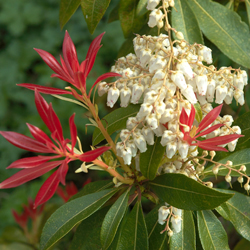
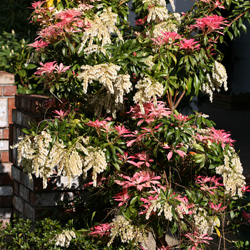
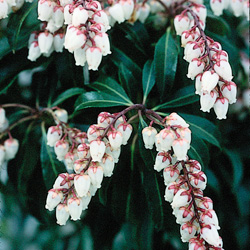
Pieris japonica is an upright evergreen shrub with spreading branches. It has the potential to grow 6-8 feet high and 4-6 feet wide. This is an easy to care for four-season plant that can be a stunner in the yard throughout the year. Except when they emerge in early spring with a bronzy hue, the leaves of the Pieris are lance-shaped and glossy deep-green throughout the year. The flowers appear in April and last well into May. The urn-shaped blooms, like those of lily-of-the-valley, hang in heavy, drooping, pendulous clusters that are 3-6 inches long. The fruit is ornamental and will persist through the winter, but it is best to remove the fruit so that the plant will put its energy into developing next year’s flowers.

Growing Tips

Not as fussy as other ericaceous plants like heath and heather, Pieris prefers a moist, well-drained, acidic soil with a pH in the range of 5.0-6.0. When planting, amend soil with plenty of peat moss; this will aid in drainage and help make the soil more acidic. Organic matter like compost should be added to compacted soil to increase drainage and should also be added to sandy soil to enhance water retaining capability. Sulfur may be added to the soil to lower the pH if it is too high. After planting, mulch the soil around the base of the plant with two inches of bark mulch, making sure to keep it from touching the trunk of the shrub. Pine bark mulch is a good choice when mulching Pieris because it will acidify the soil as it decomposes.

Pieris likes a semi-shady location and will flower best in areas where it receives some sun during the day. Protect all broadleaf evergreens from the prevailing winter winds. If this is not possible, spray them in the winter with Wilt-Pruf, an anti-desiccant, to prevent winter burn. Pieris must be watered frequently during the first year after planting to encourage root growth. The addition of a root stimulator at planting time will encourage the plant to quickly create deep, strong roots. After becoming established, Pieris is relatively drought tolerant but does, of course, grow best with consistent adequate moisture and regular fertilization.

Pruning Pieris is usually not required. When purchasing, know the ultimate size of the cultivar you desire so that you may choose a suitable location in your landscape where the plant may grow to its full potential. If pruning is necessary, prune immediately after flowering so as not to interfere with the formation of next season’s buds.

Pieris in the Landscape

Pieris mixes well with shade-loving plants that require acidic soils such as azaleas and rhododendrons. Highly diversified in its design use, Pieris works well in a Japanese garden, woodland setting, shrub border, foundation or even a mass planting. The smaller varieties look great in containers and rock gardens. Pieris is deer-resistant as well, making it a great border or screen for other plants.

Cultivars

We have a great collection of Pieris cultivars to satisfy the novice as well as the discriminating connoisseur. Consider the following varieties, or come in to see the latest Pieris types and let us help you choose the best one for your landscape.

  • ‘Brookside’ – New growth is chartreuse. It has upright white flowers and a dwarf habit, maturing at only 1-2 feet tall.
  • ‘Brower’s Beauty’ – Compact form, 4 feet wide by 6 feet high. This is a heavy bloomer with large trusses of white flowers in spring.
  • ‘Cavatine’ – This is a low growing, compact mounding cultivar with white flowers that are held upright on the plant. This cultivar blooms slightly later than others.
  • ‘Dorothy Wycoff’ – Compact form, 4 feet wide by 6 feet high. Dorothy has dark red buds opening to pale pink flowers.
  • ‘Flaming Silver’ – Leaves emerge a brilliant red, turning green with a pink margin and finally becoming green with a silver-white edge. This cultivar matures at 6 feet wide by 6 feet high.
  • ‘Forest Flame’ – Light pink leaves mixed among brilliant red appear after the plant has finished blooming in spring. Flowers are white. This Pieris grows 8-10 feet tall.
  • ‘Mountain Fire’ – With its vivid fiery-red new growth, clean white flowers and a compact uniform growth habit, this Pieris has become increasingly popular in the last few years. ‘Mountain Fire’ matures at 4 feet high by 4 feet wide.
  • ‘Prelude’ – This cultivar would make a wonderful addition to any rock garden. It is a dense mounding, low growing plant with red new growth that blooms slightly later than most other Pieris.
  • ‘Valley Fire’ – The young growth on this vigorous grower is a brilliant red. This cultivar has white flowers that are larger than most other Pieris.
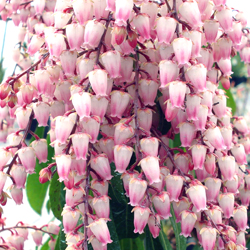
  • ‘Valley Valentine’ – This Pieris has deep maroon flower buds on pendulous flower stems that open into deep rose-pink, long-lasting flower chains. It is a slow-growing cultivar with a compact mounding habit maturing at about 5 feet tall by 6 feet wide.
  • ‘Variegata’ – Attractive leaves are green with white margins. Flowers gracefully droop in white clusters. This Pieris grows to 5 feet tall in the garden or landscape.

PIERIS-3PIERIS-4

PIERIS-5

Family Gardening: Attracting Wildlife to the Garden

Attracting wildlife to the home garden is an enjoyable and creative way to teach children about nature, evoke their respect for the environment and provide meaningful family together time. Many things that are good for wildlife are equally good for a wholesome, thoughtful garden – win-win!

 Covering the Basics

 All wildlife – butterflies, birds, squirrels, snakes, deer, etc. – requires three things for survival: food, water and cover. When you meet these basic needs in the garden, you can expect a variety of visitors.

  • Food
    Native trees, shrubs, vines and wildflowers provide the foliage, nectar, pollen, berries, seeds and nuts that wildlife requires to survive and thrive. As an added advantage, natives are well adapted to their particular geographic area and therefore are more disease and pest-resistant and generally require little extra fertilization, supplemental watering or other maintenance.

    There will be times when natural food sources are not readily available, especially in late winter when many stores of food are exhausted or early spring before natural supplies are replenished. This is when it is most important to provide supplemental sources of food using bird, squirrel and butterfly feeders to add to the native food sources for resident and migrating wildlife.

  • Water
    All wildlife requires a source of clean water for drinking and bathing. Many of us do not have a natural water source on our properties but this situation is easily remedied by adding a garden bird bath or water dish. With larger landscapes, adding a pond, fountain or pondless waterfall is an ambitious and rewarding project that will greatly enhance your efforts to increase the wildlife population. If space and your budget permits, you might even consider a tiered stream or other extensive feature.
  • Cover
    Wildlife requires a place to hide from predators, shelter in inclement weather and a secluded place to birth their young. Trees, both dead and alive, are perfect for hiding, nesting and perching. Leafy and thorny shrubs also provide wildlife protection and a suitable hiding place. Tiers of plants are most desirable, and thicker, denser plantings such as thickets or groves will be very attractive. Even if you have plenty of vegetation already, the addition of bird and bat houses will increase areas of wildlife safety in your landscape.

Native Plants to Benefit Wildlife

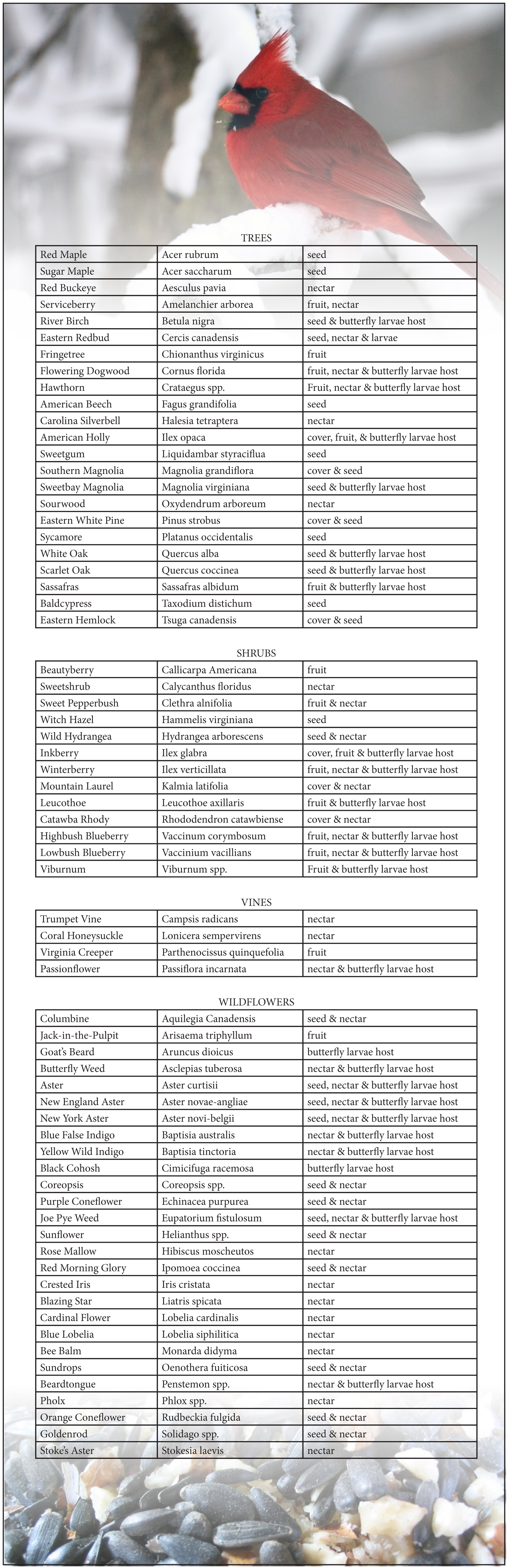
All types of plants, from trees to vines to shrubs to flowers, can provide food, water and cover to wildlife, but some plants are more useful than others. These handy lists can help you choose the best options for your landscape and the type of help you want to give backyard birds, butterflies, squirrels, deer and other visitors.

Note: “Seed” denotes abundant seeds that are attractive and nourishing for wildlife; “Nectar” denotes blooms butterflies and hummingbirds will sip from; “Fruit” denotes berries or other small fruits to feed wildlife; “Host” denotes a nourishing host plant for butterfly larvae.

wildlife-chart

Still not sure about the best plants for your backyard wildlife? Come on in and we’ll help you select just the plants you need for the wildlife you want to welcome to your yard!

wildlife-2

wildlife-3

http://www.istockphoto.com/ggustin

Seed Starting

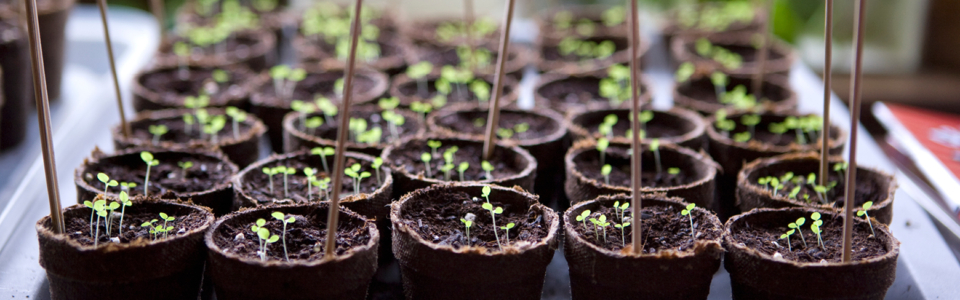
Starting seeds indoors is a rewarding gardening experience and can help extend your growing season to include more plant varieties than your outdoor season may permit. Furthermore, a larger selection of seed varieties doesn’t limit your opportunities to growing only those transplants that are available at planting time. The key to success in growing seedlings is in creating the proper environment.

What Seeds Need

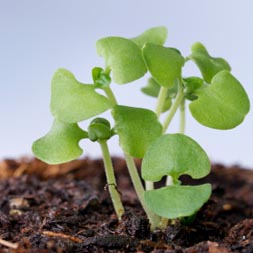
Seeds are generally hardy, but to start them properly they do need gentle nurturing so they can produce healthy, vibrant plants. In general, seeds should be started 4-6 weeks before the recommended planting time so the seedlings will be large and strong enough to withstand the stresses of transplanting. Use a sterile growing mix which is light enough to encourage rich root growth. Sow the seeds thinly and cover lightly with sphagnum peat moss. Water using a fine spray but do not soak the seeds – they also need oxygen to germinate, and if they are overwatered they will drown. Cover the container with clear plastic to hold the moisture and increase humidity. Place the containers in a warm (70-80 degrees) spot and watch daily for germination. The top of the refrigerator is often an ideal location. When the first seeds germinate, place the seedlings in bright light or under artificial lights (tube lights should be 2-3” from seedling tops) for several hours each day, since late winter sunlight will not usually be sufficient to prevent weak, leggy seedlings. Daytime temperatures should range from 70-75 degrees. Night time temperatures should range from 60-65 degrees.

As Seeds Grow

When the seedlings develop their first true sets of leaves, add half-strength water soluble fertilizer to their water – organic fish emulsion or seaweed fertilizers are great to use. Repeat every second week to provide good nourishment. Thin the seedlings or transplant them to larger containers as they grow. Before planting outdoors, harden-off the plants at least one week before the planting date. Take the transplants outdoors in the daytime and bring them in at night if frost is likely. Gradually expose them to lower temperatures and more sunlight. The use of hotcaps and frost blankets to cover early plantings will also aid in the hardening off process so the seedlings can adjust well to their new outdoor environment.

Transplanting Seeds

Transplant seedlings into the garden after the safe planting date on a calm, overcast day. Pack the soil around the transplant with as little root disturbance as possible. Sprinkle the plants with water, keeping the soil moist until the plants become established.

Popular Indoor Seed Start Dates

The exact dates you want to start seeds will vary depending on your local growing season, the varieties of plants you choose and what their needs are. In general, dates for the most popular produce include…

Vegetable Seed Starting Dates

  • February – Asparagus, celery, onion
  • March 1 – Broccoli, Brussels sprouts, cabbage, cauliflower, collards, kale, lettuce
  • March 15 – Eggplant, peppers, tomatoes
  • April 1 – Summer squash
  • April 15 – Cantaloupes, cucumbers, winter squash

Flower Seed Starting Dates

  • January/February – Begonia, carnation, geranium, impatiens, nicotiana, pansy, rudbeckia, salvia, snapdragon, verbena, vinca
  • March 1 – Ageratum, dahlia, dianthus, petunia
  • April 15 – Aster, calendula, celosia, marigold, zinnia

Use seed starting dates as a general guide to ensure your seeds have plenty of time to reach their full harvest potential before the weather turns in autumn. At the same time, consider staggering seed starting every few days to lengthen your harvest and keep your favorite vegetables and flowers coming even longer during the growing season. As you gain more experience with starting seeds, you’ll be able to carefully plan your seed calendar to ensure a lush, rich, long harvest season.

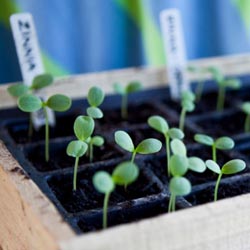
Old wooden seed tray with plant seedlings of various kinds (Zinnia and Pea).