Yearly Archives: 2026

Flood-Tolerant Native Plants

As spring arrives, many low-lying areas of the garden may experience temporary flooding from melting snow or heavy rain. Choosing the right native plants for these wet conditions can help your landscape thrive, prevent soil erosion, and support local wildlife. By selecting species that tolerate early spring flooding, you can create resilient, beautiful, and ecologically beneficial plantings.

Understanding Soil and Site Conditions

Flood tolerance depends not only on species but also on soil type and drainage. Loamy or sandy soils drain more quickly, while clay-heavy soils may stay saturated longer. If your site is prone to standing water, consider creating mounds, raised beds, or swales to help improve drainage and plant longevity. Evaluate microclimates—plants may respond differently depending on sun exposure, wind, and proximity to other landscape features.

Seasonal Care for Flood-Tolerant Plants

Early spring is an ideal time to prune, divide, or fertilize flood-tolerant native plants. Be mindful of soil compaction—avoid heavy foot traffic in saturated areas. Many wetland species are susceptible to fungal diseases, so ensure good air circulation and consider mulching with organic material that will break down naturally.

Companion Planting and Wildlife Benefits

Flood-tolerant natives often pair well with other species to create layered, resilient landscapes. Consider plants that attract pollinators, birds, and amphibians, or provide seeds and berries for wildlife. By mixing different growth forms—tall emergent plants with low-spreading groundcovers—you can improve biodiversity while stabilizing wet soil.

Design and Visual Interest

Even in wet areas, your garden can be visually appealing. Flood-tolerant natives offer varied textures, seasonal blooms, and contrasting foliage. Use taller plants as focal points, with shorter species around the edges to soften transitions. Ornamental grasses, rushes, and sedges provide movement and year-round structure, while flowering perennials add seasonal color.

Top Flood-Tolerant Native Plants for Early Spring

Here are some excellent options for areas that experience early spring flooding:

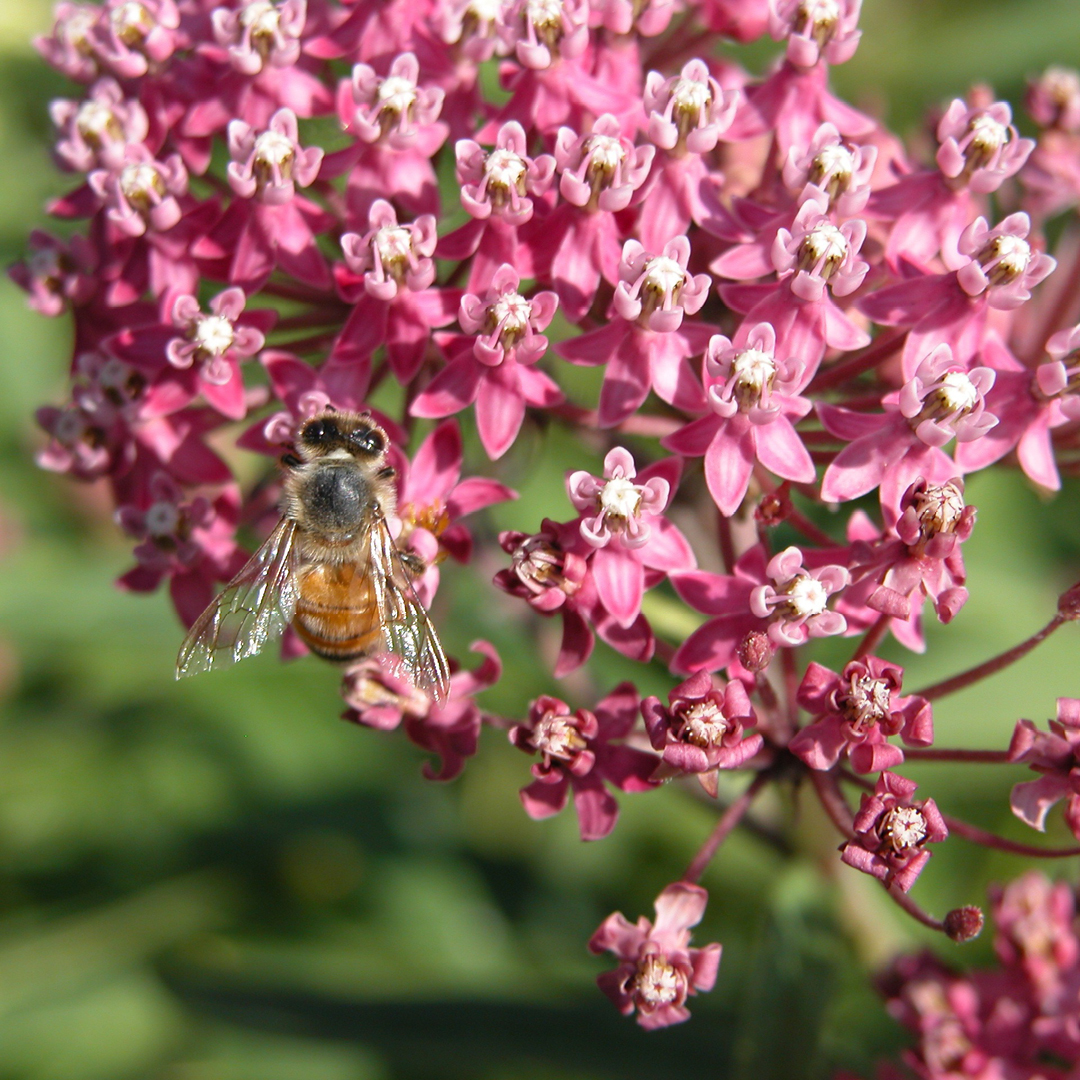
  • Swamp Milkweed (Asclepias incarnata) – Upright perennial, 3–5’ tall; spreads via rhizomes; attracts pollinators.
  • Blue Flag Iris (Iris versicolor) – Clumping perennial, 2–3’ tall; spreads slowly; blooms in early summer.
  • Cardinal Flower (Lobelia cardinalis) – Upright, 3–4’ tall; spreads gradually; vivid red flowers attract hummingbirds.
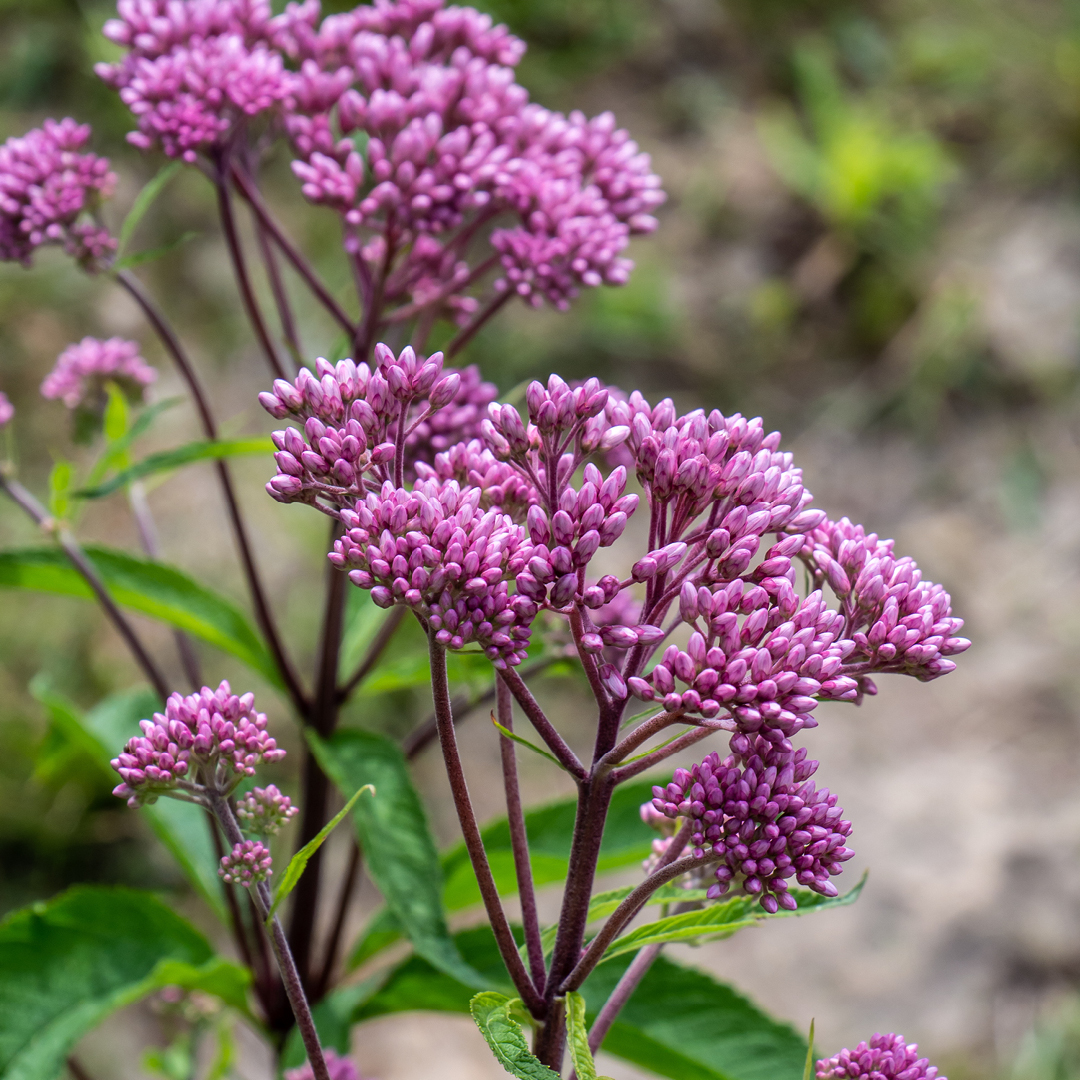
  • Joe-Pye Weed (Eutrochium purpureum) – Tall perennial, 4–7’ tall; sturdy stems; clusters of pinkish-purple flowers.
  • Sensitive Fern (Onoclea sensibilis) – Medium-height fern, 2–3’ tall; spreads via rhizomes; lush foliage tolerates wet soils.
  • Marsh Marigold (Caltha palustris) – Low perennial, 6–12” tall; forms spreading clumps; bright yellow spring blooms.
  • Red-osier Dogwood (Cornus sericea) – Shrub, 6–9’ tall; spreads by suckers; striking red stems in winter.
  • Winterberry (Ilex verticillata) – Shrub, 6–12’ tall; dioecious; produces bright berries for birds.
  • Virginia Bluebell (Mertensia virginica) – Low perennial, 12–18” tall; spreads slowly; delicate blue spring flowers.
  • Swamp White Oak (Quercus bicolor) – Tree, 50–60’ tall; tolerates wet soils; excellent for canopy and shade.

Maintenance and Long-Term Care

Flood-tolerant plants may self-seed or spread, which can be advantageous in meadows or riparian plantings. Keep an eye on aggressive spreaders and manage as needed. Mulching helps retain soil structure and nutrients, while periodic monitoring ensures plants remain healthy through wet-dry cycles.

Creating Functional Wet Areas

Incorporate flood-tolerant plants into stormwater gardens, rain gardens, or along streams and ponds to maximize ecological benefits. These plantings not only prevent erosion but also improve water quality and provide critical habitat for wildlife.

By selecting native plants that can endure early spring flooding, you create a resilient and beautiful garden that supports local ecosystems. With careful site planning, companion planting, and seasonal care, these species will thrive while enhancing your landscape’s visual and ecological value.
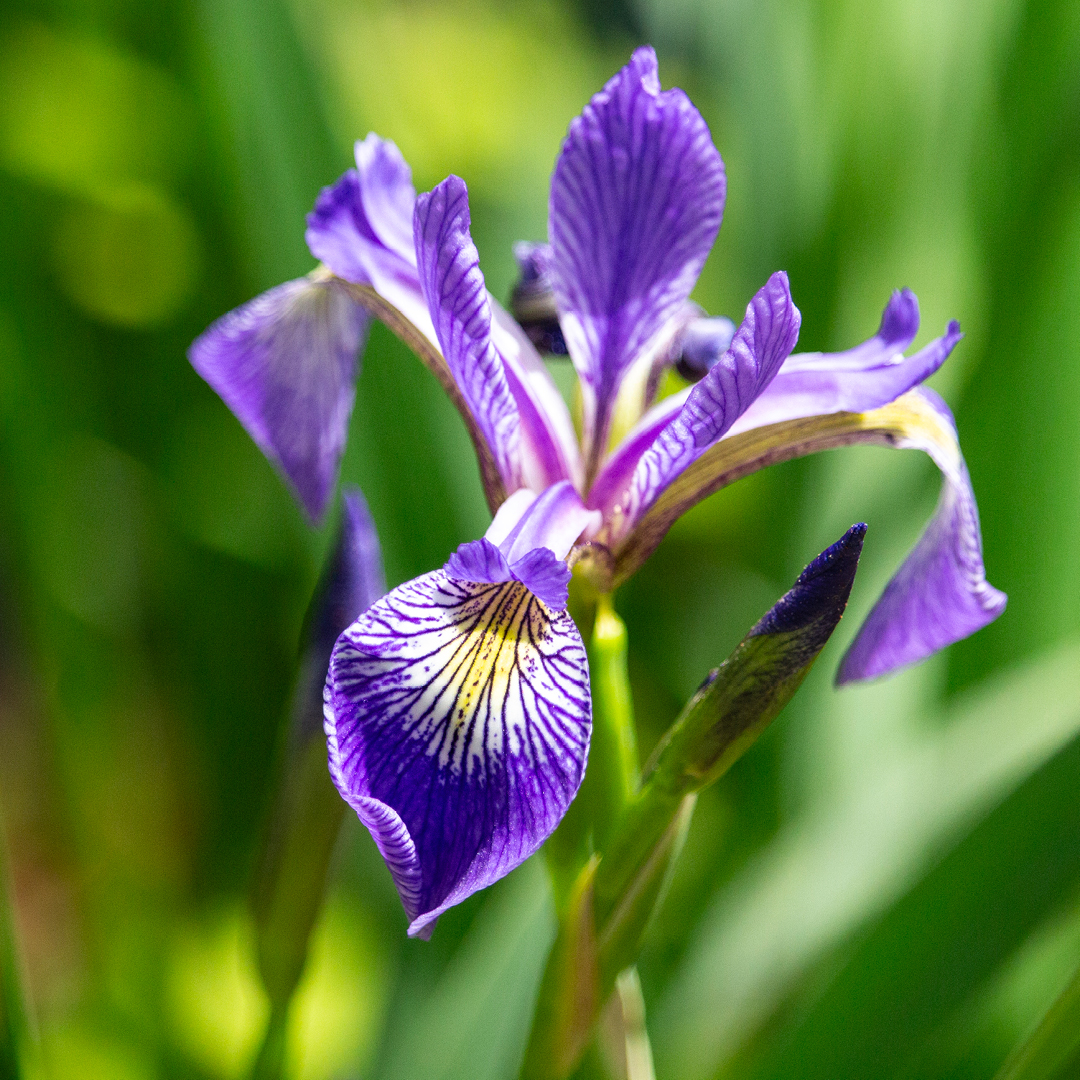
early spring flood-tolerant plants

Early Native Perennials That Shine

Top Early-Blooming Native Perennials for Your Pollinator Garden

As winter fades and the days grow longer, the first hungry pollinators emerge in search of nectar. Unfortunately, many landscapes are still waking up, leaving a critical food gap for early-season bees and hummingbirds.

At Horning’s Greenhouse, we believe in gardening with a purpose. By incorporating early-blooming native perennials, you can provide essential resources for local wildlife while adding a splash of color to your spring landscape. Here are seven of our favorite “early risers” to get your garden buzzing.

7 Essential Early Natives

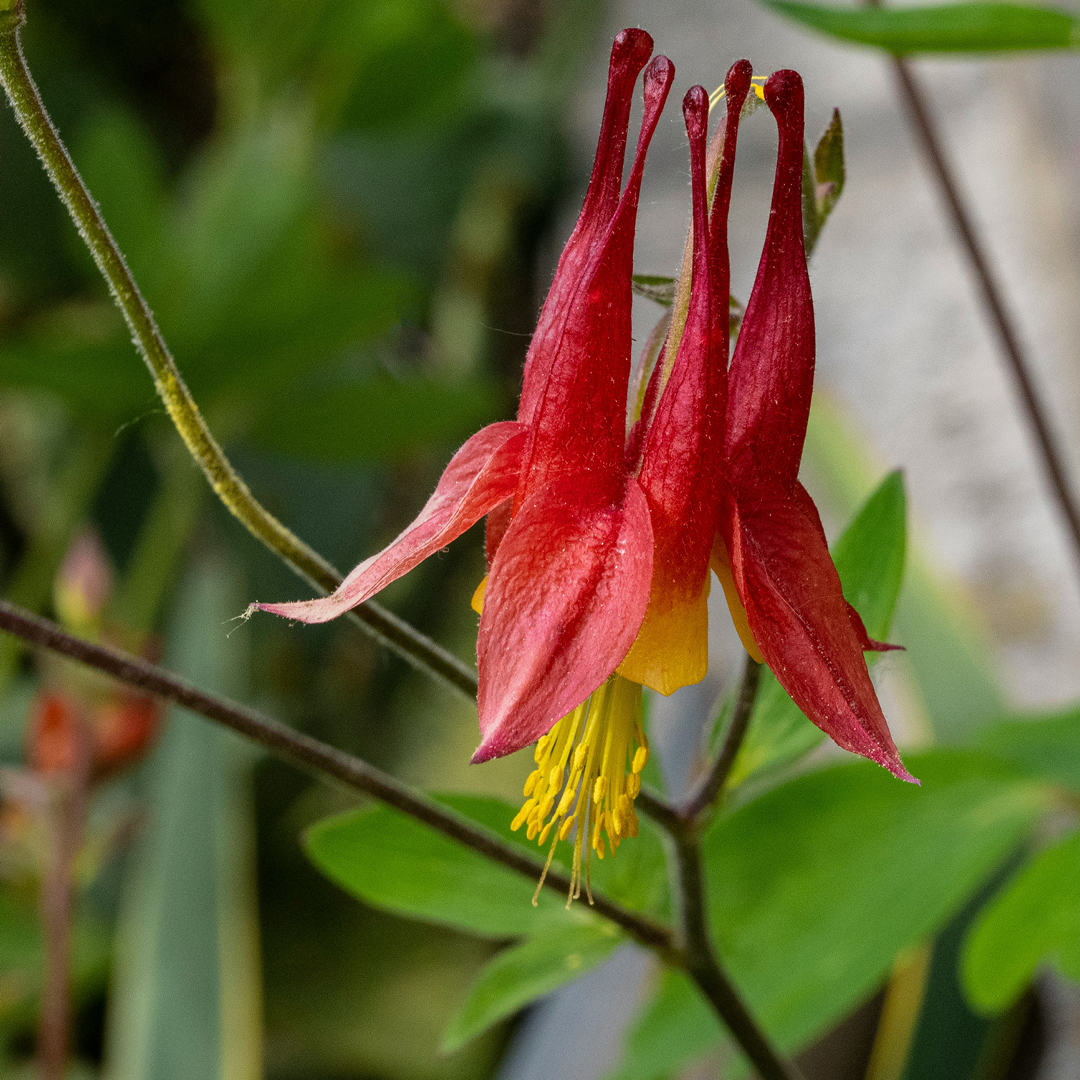
  • Wild Columbine (Aquilegia canadensis): Known for its nodding, lantern-like red and yellow blossoms, this woodland favorite is a magnet for returning hummingbirds. It thrives in part shade and blooms in late spring when few other sources are available.
  • Golden Alexander (Zizia aurea): This reliable perennial offers bright yellow umbels that attract small bees and wasps. It’s also a vital host plant for Black Swallowtail butterfly larvae, making it a dual-purpose powerhouse for your garden.
  • Virginia Bluebells (Mertensia virginica): A classic spring ephemeral, these stunning trumpet-shaped flowers transition from pink buds to brilliant blue blooms. They naturalize beautifully in moist, shaded areas, providing early nectar before fading back in summer.
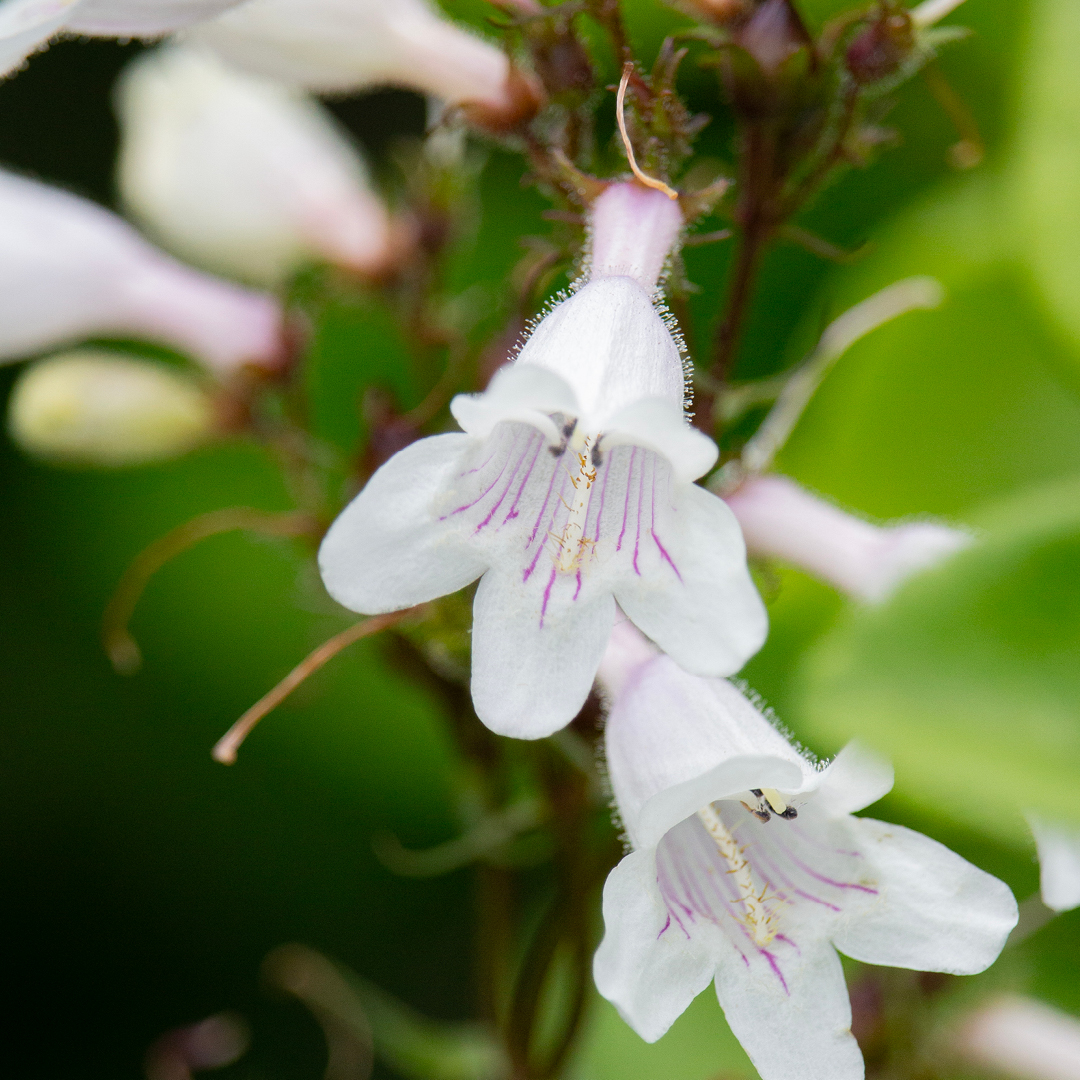
  • Foxglove Beardtongue (Penstemon digitalis): Adding upright structure to the garden, these white, tubular flowers are perfect for long-tongued bees. It’s highly adaptable, drought-tolerant, and supports specialist species like the Penstemon miner bee.
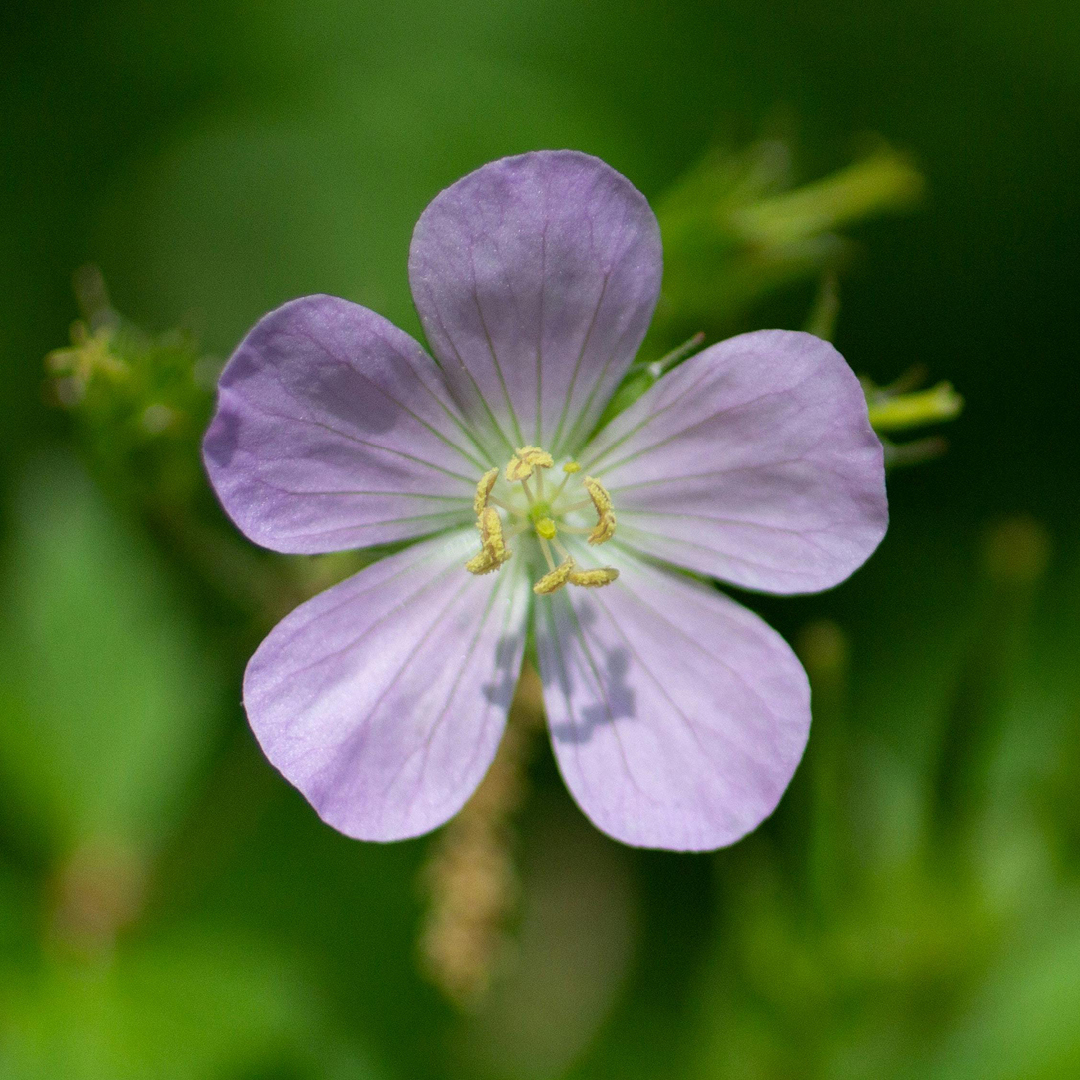
  • Wild Geranium (Geranium maculatum): One of the most reliable natives for shade, Wild Geranium produces soft lavender-pink blooms. It is an excellent nectar source for bumble bees and hoverflies in woodland settings.
  • Prairie Smoke (Geum triflorum): Famous for its pink, nodding flowers that turn into feathery seed plumes, this low-growing plant offers great texture. It provides early-season pollen for ground-nesting bees.
  • Foamflower (Tiarella cordifolia): With airy white flowers, Foamflower is an ideal ground cover for shady spots. It spreads gently and offers long-lasting blooms for hungry insects.

Design Tips for a Pollinator Haven

  • Plant in Drifts: Grouping at least 3–5 plants of the same species helps pollinators forage more efficiently than single, isolated plants.
  • Ensure Continuous Blooms: Pair these early bloomers with summer and fall favorites like Coneflower and Goldenrod to provide food all season long.
  • Leave the Leaves: Don’t be too tidy! Leaf litter and hollow stems provide essential nesting habitat for the insects you are trying to attract.

Start Your Season with Us!

Ready to transform your spring landscape into an ecological hub? Whether you are starting from scratch or filling in gaps, we are here to help. Visit Horning’s Greenhouse today to explore our selection of regionally appropriate native plants and get expert advice on the best species for your space.

early blooming native perennials

Cold Soil Vegetable Favorites

It happens every year around March. The days get a little longer, the birds start singing, and you get that undeniable itch to get out in the garden. But while your spirit is ready, the ground often isn’t.

Early spring soil is tricky. It is cold, damp, and slow to warm up. If you plant heat-loving crops like tomatoes or peppers now, they will likely rot before they even sprout. However, you don’t have to wait until May to start growing food. Nature has provided us with an incredible lineup of vegetables that actually prefer the chill of March and April. By choosing the right crops and using a few smart techniques, you can have a lush, productive garden weeks before your neighbors.

Why Cold Soil Isn’t a Dealbreaker

For many seeds, cold soil is a “do not enter” sign. It slows down germination and prevents roots from taking up nutrients. But cool-season crops are different. These hardy plants are biologically programmed to wake up when soil temperatures are as low as 40–50°F. In fact, many of them taste sweeter and have a crisper texture when grown in the cool air of early spring rather than the heat of summer.

Top Picks for March and April Sowing

If you are ready to brave the brisk air, here are the best vegetables to direct sow right now:

  • Peas: There is nothing quite like the taste of a garden-fresh pea. These are the classic early spring crops. They are incredibly hardy and can go into the ground as soon as the soil can be worked in March. Give them a trellis to climb, and you will be snacking in no time.
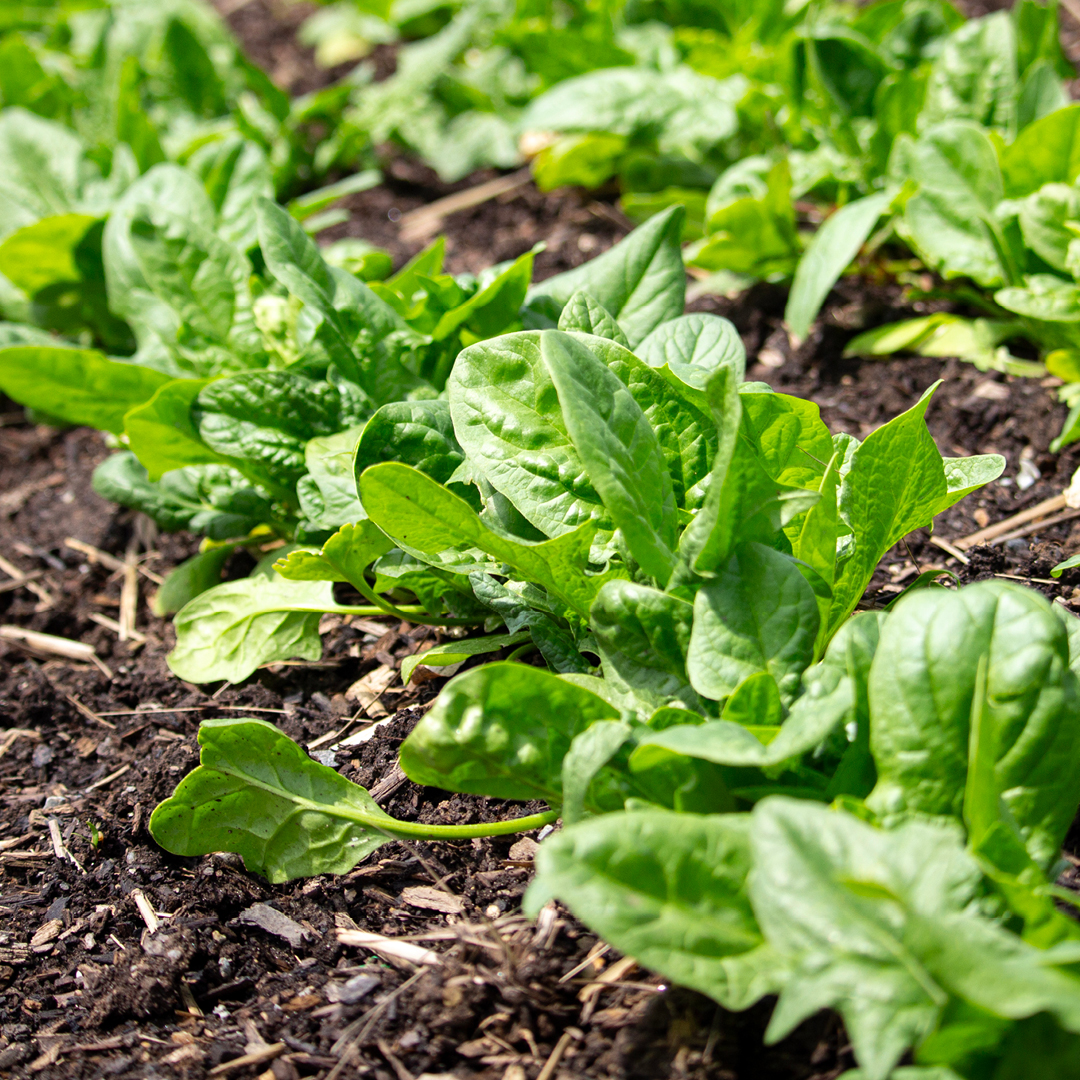
  • Spinach: This leafy green is a champion of the cold. It thrives in cool, moist soil and germinates quickly. Sow it in March for baby greens that are tender and sweet.
  • Radishes: If you want instant gratification, plant radishes. They are fast-growing and aren’t bothered by cold soil. You can often harvest them just a few weeks after planting in April.
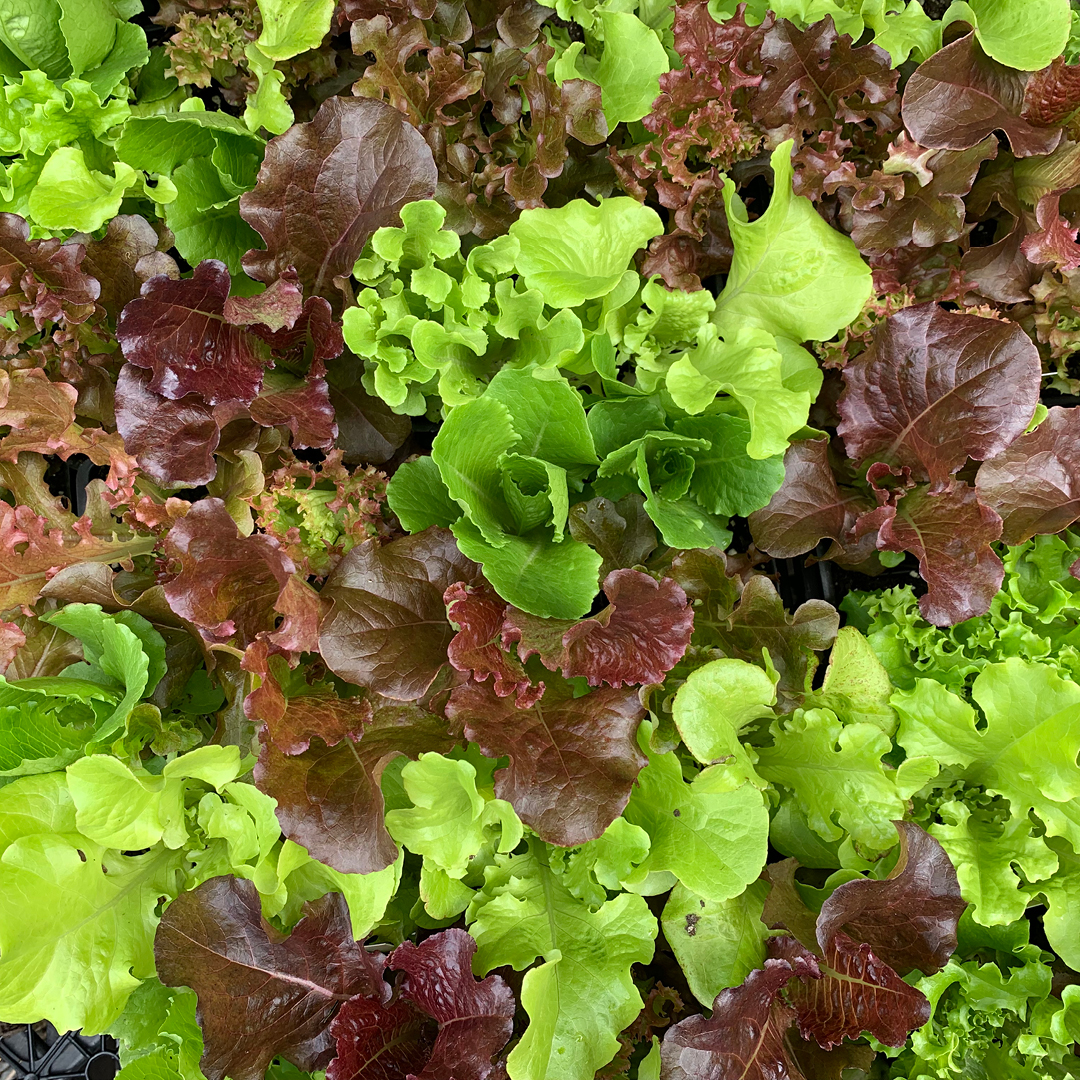
  • Lettuce: Cool soil is actually preferred for lettuce germination. Plant a mix of varieties for a beautiful and tasty salad bowl. Just be ready to harvest before the summer heat makes them bitter.
  • Carrots: While they can be a bit slow to wake up in cold soil (sometimes taking up to three weeks), early spring carrots are worth the wait. The cool temperatures concentrate sugars in the roots, making them incredibly sweet.
  • Beets: These earthy gems tolerate light frosts well. Sow them in April when the soil has warmed slightly to around 50°F. Don’t forget that you can eat the greens while you wait for the roots to bulb up!
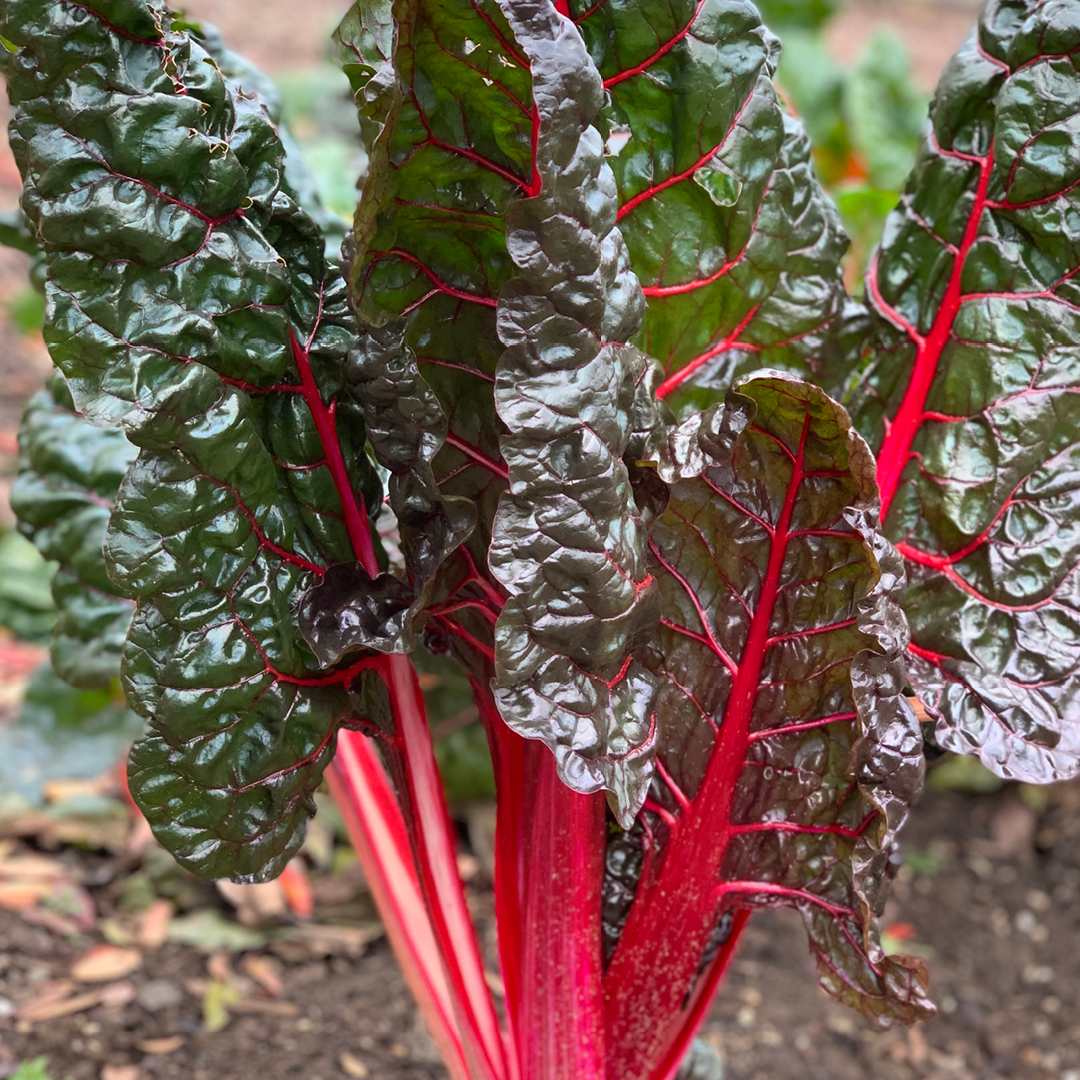
  • Kale and Chard: These are the workhorses of the vegetable garden. Both are extremely cold-tolerant. Chard might take a moment to get going, but once it establishes, it will provide harvests well into the warmer months.

Tips for Success in Chilly Weather

Gardening in March and April requires a slightly different approach than summer gardening. Here is how to ensure success:

  • Do the Squeeze Test: Before you dig, grab a handful of soil and squeeze it. If it drips water or forms a tight, sticky ball, it is too wet to work. Digging in wet, cold soil can ruin its structure. Wait until it crumbles loosely in your hand.
  • Boost the Heat: You can cheat a little by using row covers or cloches. These lightweight fabrics act like a mini-greenhouse, trapping heat near the soil surface and protecting tender seedlings from those surprise late frosts.
  • Don’t Bury Them Deep: In cold soil, seeds often do better when planted slightly shallower than usual, as the surface warms up faster during the day.
  • Keep it Coming: Don’t plant everything at once. Use succession planting by sowing a new row of lettuce or radishes every two weeks. This ensures you have a continuous harvest rather than one giant glut of vegetables.

Spring is a time of renewal, and there is no better way to celebrate than by coaxing life from the cold earth. So grab your seeds and get out there—your future salads are waiting!

cold soil vegetable planting

March Garden Momentum

March signals the true start of the growing season. As nature wakes up—buds swelling and daylight stretching—it’s the perfect time to set the stage for a thriving garden. Use this early spring checklist to help your landscape transition smoothly into the active months ahead.

Inspect and Tidy Garden Beds

Winter often shifts plants and leaves behind debris.

  • Remove Debris: Clear fallen branches and leftover leaves that may harbor pests.
  • Avoid Compaction: Steer clear of walking on thawing soil to prevent damaging its structure.

Prune Shrubs and Trees

Now is the ideal time to shape up your woody plants before new growth emerges.

  • Prune Now: Fruit trees, roses, and summer-blooming shrubs. Remove dead wood and cross-branching stems.
  • Wait to Prune: Spring bloomers like lilac, forsythia, and magnolia should only be pruned after they flower.

Divide Perennials

Enhance plant vigor by dividing overcrowded clumps as soon as growth appears.

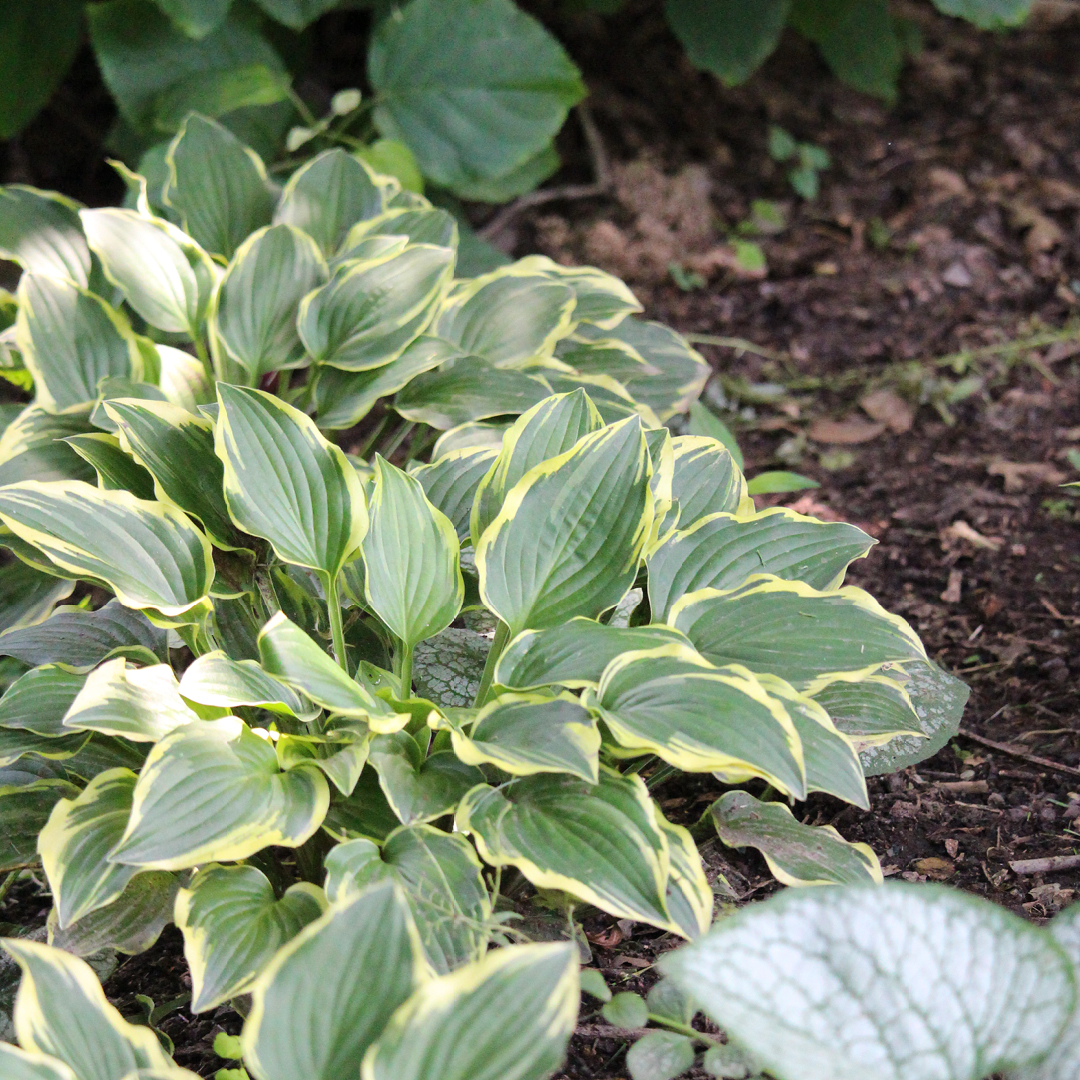
  • Target Plants: Hostas, daylilies, ornamental grasses, and coneflowers benefit greatly from division now.

Prepare the Soil

Healthy soil is the foundation of a resilient garden.

  • Amend Soil: Once the ground is workable (not muddy), mix in compost or organic matter to boost nutrient content and moisture retention.

Start Seeds Indoors

Give cool-season crops a head start under grow lights.

  • Sow Now: Lettuce, kale, broccoli, snapdragons, and petunias. Always check your local frost date guidelines for timing.

Maintain Garden Tools

Sharp, clean tools prevent the spread of disease and make work easier.

  • Tool Care: Sharpen pruners, oil wooden handles, and disinfect cutting surfaces.

Apply Dormant Oil

Control overwintering pests before buds break.

  • Pest Management: Spray fruit trees and roses with dormant oil to manage aphids, mites, and scale. Ensure temperatures remain above freezing during application.

Refresh Mulch and Edges

Mulch moderates soil temperature and suppresses weeds.

  • Mulching: Fluff existing mulch or add fresh material, keeping it away from plant stems.
  • Edging: Redefine bed edges now for a polished look all season.

Plan Your Planting

Map out your garden expansions to support biodiversity.

  • Biodiversity: Incorporate native plants, herbs, and pollinator-friendly flowers to enhance habitat health.

Visit Horning’s Greenhouse

Stock up on essential supplies as spring progresses.

  • Shop Local: Find seeds, soil amendments, and early-blooming shrubs. Our staff is ready to help connect you with successful local growing practices.

Early spring preparation sets the rhythm for the year. With thoughtful planning, your garden will reward you with vibrant blooms and productive harvests in the months ahead.

early spring garden checklist

How to Help Queen Bumblebees

As winter fades, one of the first signs of spring isn’t just a blooming flower—it’s the emergence of a queen bumblebee. Unlike the worker bees you see later in the year, these queens are the sole founders of new colonies. Their survival in early spring is critical for pollinator health and biodiversity.Here is how you can support these vital pollinators in your garden.

Understand the Queen’s Journey

Bumblebee queens overwinter alone in small underground chambers. When they wake up, they are depleted and searching for three essentials:

  • High-energy food (nectar and pollen)
  • A safe place to nest
  • Shelter from fluctuating weather

Plant Early Bloomers

Because early spring flowers can be scarce, the queen is at her most vulnerable right now. You can increase her survival odds by planting early-blooming sources of nectar and pollen, such as:

  • Trees & Shrubs: Willow, Red Maple, Serviceberry, Pussy Willow
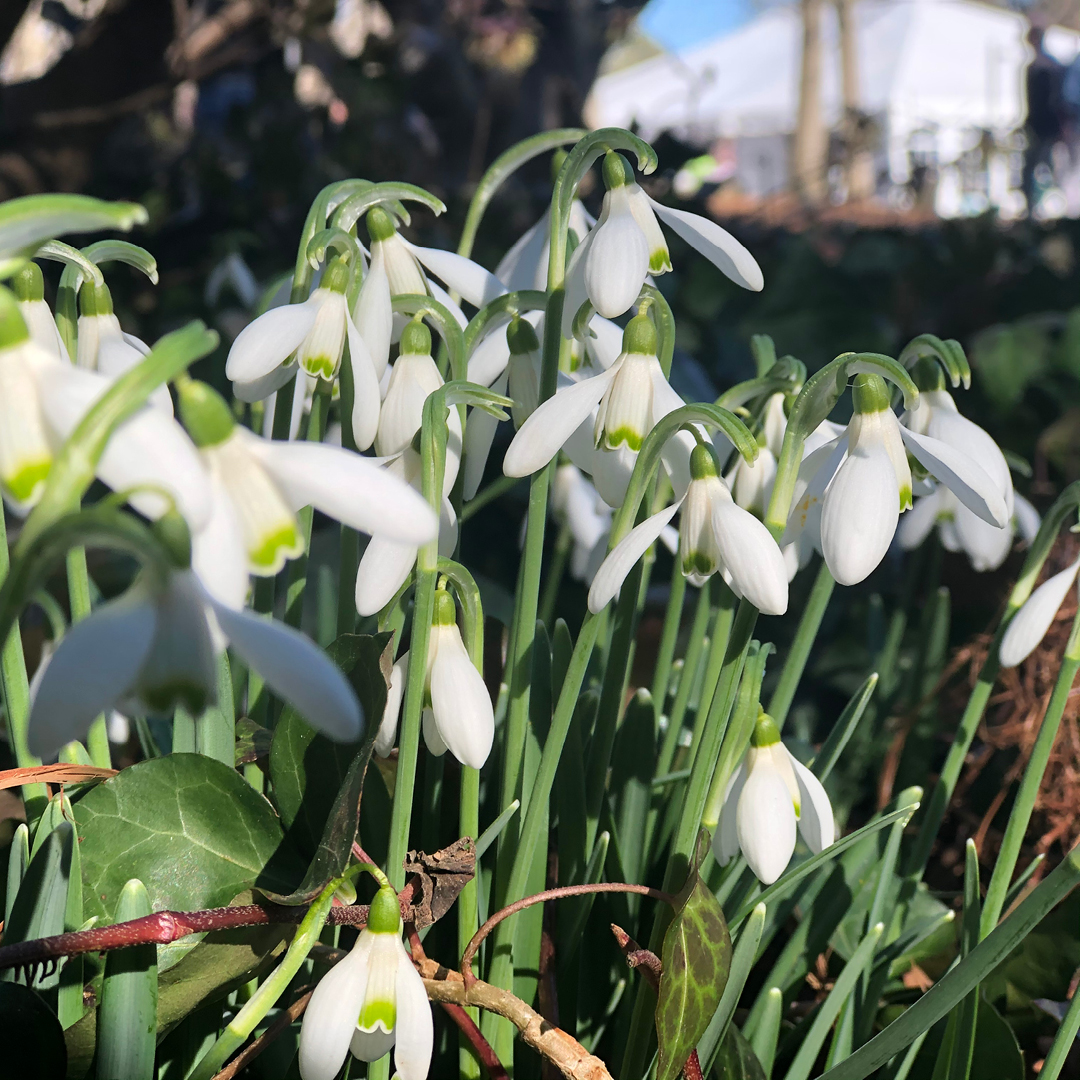
  • Perennials: Crocus, Hellebore, Snowdrop, Lungwort, Wild Blue Phlox

Delay Your Spring Cleanup

Sometimes the best way to help is to do nothing. Queens often hibernate beneath leaf litter and in shallow soil. To avoid disturbing them:

  • Wait to rake: Delay clearing leaves until temperatures remain consistently warm.
  • Avoid tilling: Do not dig deep in areas where bees were active last year.
  • Leave wild spaces: Keep small patches of brush and undisturbed soil.

Create Safe Nesting Sites

Bumblebees don’t use hives; they look for protected cavities. To encourage nesting in your garden, preserve natural features like:

  • Abandoned rodent burrows
  • Tall, clumping grasses
  • Brush piles and loose mulch

Avoid Harmful Chemicals

Early spring is the worst time for insecticides. Queens ingest chemicals from nectar, which can interfere with reproduction. Avoid systemic insecticides entirely and embrace a few “imperfect” plants—minor pest damage is a sign of a healthy, balanced ecosystem.

Provide a Water Source

Hydration is key for colony construction. Set out a shallow dish with marbles or pebbles to give the bees a safe place to land and drink without drowning.

Monitor and Adjust

Spotting a low-flying, large bee searching for a nest site is a great sign that your landscape is waking up. By supporting just one queen, you are helping to produce hundreds of future pollinators.

Ready to start planting? Visit Horning’s Greenhouse today, and we can guide you toward the best early bloomers for a bee-friendly landscape.

help queen bumblebees

Caring for Orchids

Orchids can be an amazing addition to your indoor landscape, but unfortunately they have a reputation for being finicky and difficult. While they do require precise care, if you know what their needs are, you can easily grow a variety of beautiful orchids and enjoy their exotic loveliness throughout the year. To care for orchids properly…

  • Provide Good Light
    Orchids need at least 6-8 hours of bright indirect light or morning sun. Light is the key with growing orchids – without enough proper light, an orchid may live 20 years but never rebloom.
  • Increase Humidity
    Orchids are tropical and some varieties require from 65-75 percent humidity. The plant can sit on pebbles in a water-filled tray that is kept filled up as it evaporates. Grouping orchids can also improve their collective humidity.
  • Adjust Temperature
    Ideal orchid temperatures vary depending on the type of orchid and the time of year. Warm orchids require 55-65 degrees temperatures at night with daytime warmth reaching 75-85 degrees. Cool orchids need the same night time temperatures, but only 65-75 degrees during the day.
  • Water Appropriately
    Water the plant every 5-7 days in the sink, as the growing medium has fast drainage. Smaller orchids may need watered every 3-4 days. The water should be room temperature and without any additives other than fertilizer.
  • Fertilizing
    Use a Blossom Booster fertilizer with every other watering while in bloom. When not in bloom, use 30-10-10 fertilizer every two weeks.
  • Repotting
    Use only a potting mixture designed for orchids. These mixes are made up of different size fir bark pieces, perlite and even charcoal. Repot your orchid when it is nearly overgrown with roots and is not in bloom. This will average about every 2-4 years.
  • Resting Period
    After blooming or producing new growth, most orchid varieties go into a rest period. Reduce the watering slightly and maintain good lighting to allow them to reenergize.

Blooming Orchids

Each type of orchid requires different conditions to bloom (example: Phalenopsis need 6 weeks of cold nights). When you achieve that delicate balance and your orchid bursts forth with a delicate bloom, make sure you do not change your cultural practices or the plant will abort the buds. Even a small change in humidity, temperature or light can cause the plant to abort its bloom, but when you keep the conditions stable, you’ll enjoy the reward these exotic flowers offer.

caring-orchid-1

caring-orchid-2

caring-orchid-3

Attracting Birds to Your Garden

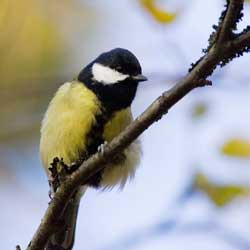
One of the benefits of a garden is the wildlife it attracts, and birds are some of the most popular garden wildlife. Most birds are voracious eaters that are glad to keep the insect population down, and may eat 500-1,000 insects in one afternoon. This makes them ideal for natural (and free!) pest control. Anything you can do to attract birds will make your garden healthier and you’ll be entertained by their feeding antics along the way.

Fortunately, it is easy to attract birds to your garden if you meet their needs for food, shelter, water and overall habitat variety.

Food

While birds will certainly eat insects and may munch on seeds, berries and fruits in the garden, consider placing a variety of bird feeders in your garden to entice even more birds to visit. Platform feeders attract ground birds, hanging feeders are for perching birds and suet holders attract insect-eating birds. Suet is especially important during the winter as this helps birds maintain their body temperature by adding fat to their diet. Hang plastic mesh bags of suet or pinecones dipped in suet (or peanut butter) from the limbs of trees.

For your other feathered guests, white millet and black oil sunflower seeds will attract the most common seed-eating birds and can be sprinkled directly on the ground or added to feeders. Add other species-specific seed like Nyjer (thistle) seed (to attract goldfinches, pine siskins and purple finches) or peanuts (to attract chickadees, jays and tufted titmice) to your buffet. Various gourmet seed mixes are also available like Lyric Supreme, Delight, Chickadee, Woodpecker and Finch Mixes, each of which is blended with specific birds in mind and includes the foods those birds like best.

Shelter and Nesting Sites

Birds feel more secure if they have shelter to protect themselves from the weather and other predators. Plant native trees and shrubs birds will easily recognize as suitable shelter. If your landscape is young and doesn’t include much shelter for birds, don’t worry. Consider building a brush pile or adding a loose woodpile to the yard and birds will happily take advantage of it.

You may also want to add nesting boxes or bird houses and other materials for birds to raise their young. This should be done in late winter or early spring just as birds are beginning to look for nesting sites. Clean houses or boxes after each nesting season.

Water

One of the most important things to include in your bird-friendly garden is water. This is especially true during the winter months. Use a bird bath heater to keep water from freezing. Ideal water sources are 2-3 inches deep and 3 feet off the ground to keep visiting birds safer from prowling predators. Moving water is a magnet for most birds and will attract them from great distances for a drink or bath. A mister, dripper or circulating pump can be added to a bird bath or other water feature during most of the year, but take care to winterize the equipment properly so it does not freeze and break during the coldest months.

Habitat Variety

Because birds live in many different habitats, the variety of plant material you can offer in your backyard will determine how many birds are attracted to your garden. Consider native plants, plants with berries, fruits, sap and nectar for year-round food sources as well as nesting materials. Plan your landscape in tiers and flowing, connected beds so birds can move around easily, and include a variety of both deciduous and evergreen plantings so birds can find the habitat useful year-round.

We carry a complete line of bird feeders, houses, seed mixes and suets as well as garden accents; all the accessories and plants you will need to start attracting birds to your backyard. Stop by today!

atracting-bird-1

Winter Composting the 3-Bucket Way

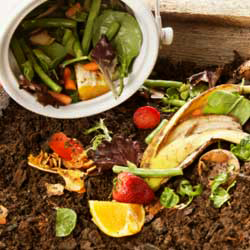
It’s cold outside and the compost pile is frozen. Do you really feel like hauling kitchen scraps out into the winter wasteland only to have them picked through by scavengers when there isn’t enough bacteria available to break them down? Fortunately, there is an alternative. Keep your kitchen scraps cooking this winter and producing buckets of black gold for the garden next spring while you stay warm and cozy. Try the three-bucket system in your basement or heated garage – no odor, no pests and very easy!

The 3-Bucket System

Try these easy steps for the 3-bucket composting system in your basement or heated garage, where there is just enough warmth to keep the system operating without the microbes and outer layers of the compost freezing. Five-gallon painter buckets with lids work great or plastic trash cans with lids make the job a cinch. Even better are cans with wheels, so you can easily move your compost out to the garden for spring use!

  1. Fill bucket #1 with sawdust or peat moss mixed with equal parts dry soil. Add a little limestone and cover with lid.
  2. On the bottom of bucket #2, place about one inch of dry straw, leaves or shredded newspaper. Dump your kitchen scraps on top as they become available, each time sprinkling on some of the sawdust/soil mixture from bucket #1 to absorb odors and excess moisture. If you have a lot of scraps to add all at one time, portion them out and add as smaller amounts, covering each addition with the sawdust/soil mixture. Replace the lid after each addition. If there are any large pieces of scraps you may want to chop them smaller before adding to help speed the decomposition process. If your scraps are holding excess water, let them drain well before adding them to the bucket.
  3. When bucket #2 is full start filling bucket #3, using the same process you used with bucket #2. By the time bucket #3 is full, the contents of bucket #2 should be well on the way to becoming compost. Despite calling this the 3-bucket system, you can actually keep adding as many buckets as you need through the winter, but number them appropriately so you can keep track of which ones are most composted to be used first.
  4. Use and enjoy in the spring!

While the 3-bucket compost system won’t replace your compost pile, it’s still a great way to continue composting through the winter so you have plenty of rich, organic material to add to your garden in spring. Don’t let the scraps and waste from winter days be lost in the trash – turn that trash to treasure for your garden!

Decorating Your Home With Houseplants

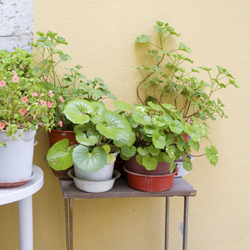
Bring the bright atmosphere of a tropical vacation into your home this winter with houseplants. An integral part of your home décor, houseplants not only artistically improve your home, they also cleanse and freshen your indoor air quality. Plants take in carbon dioxide and release clean, pure oxygen. Some plants even absorb certain air toxins, potentially harmful radiation or unpleasant smells. Houseplants also add welcome humidity to the air we breathe, and filter dust particles for a cleaner environment. While houseplants can improve your life in many ways, they must be selected to fit successfully into your lifestyle.

Don’t Consider Light Lightly

When selecting a foliage plant, first determine what type of light you have – this will be the best key to the plant’s health and survival. Look at the area where you would like to keep the plant through the entire day to determine if the light changes. You will also want to keep in mind the time of year – the light will change with different seasons as well as the angle of the sun. 

  • Low Light – 3-4 hours of indirect light. Don’t confuse this type of light with no light. If you can sit in the room and read comfortably without turning on a light, it is low light. If you must turn a light on, then it’s considered no light.
  • Medium Light – 4-6 hours of indirect or direct morning sun.
  • High Light – Direct or indirect sun for 6-8 hours a day. Direct afternoon sun in the winter can be too hot for many houseplants. Be careful this time of year because many plants can get sunscald.

No matter what the light levels in different rooms of your home, there are plants that can be comfortable there. If you aren’t sure what your light may be or which plants may thrive, we also recommend you talk to one of our experts about your particular situation for best results.

Low Light Plants

  • Aglaonema
  • Dracaena Warneckii
  • Homolomena
  • Dracaena Janet Craig
  • Pothos
  • Philodendron
  • Spathiphyllum
  • Philodendron Xanadu

Medium Light Plants

  • Corn Plant
  • Norfolk Island Pine
  • Bamboo Palm
  • Ming Aralia
  • Podocarpus
  • Schefflera Amate
  • Spathiphyllum Domino
  • Arboricola
  • Anthirium
  • Ficus Alii
  • Lubersii

High Light Plants

  • Palms
  • Yucca Cane
  • Sago Palm
  • Crotons
  • Fishtail Palm
  • Banana
  • Zamia

A Word About Watering

The smaller the pot, the more frequently you will need to water your houseplant. Small pots (2-3 inches) might need water every day depending on the plant’s needs and the richness of the soil. A 4-6 inch pot may need water every 3-4 days, whereas a 10-inch pot (or larger) usually only requires water every 4-6 days. These guidelines can change depending upon the location of the plant, the type of pot, variety of plant, soil condition, general humidity, time of year and weather conditions. Plants don’t utilize as much moisture on gray days as they do on sunny days.

Because so many factors can impact houseplant watering, determining the watering schedule for large pots (over 10 inches) can be difficult. To help, take a natural wooden dowel and push it into the soil until it reaches the bottom of the pot. After you pull the dowel out, you will be able to see the wetness on the bottom of the stick (if there is any). Also, remember that the larger the pot, the more water will be held in the soil at the bottom – even if there are drainage holes.

Fertilizing

Most foliage or non-flowering houseplants prefer 20-20-20 fertilizer once a month, year-round. You can increase the feeding to twice a month during the growing season. Flowering plants have different fertilizing needs depending on their bloom schedules and growth productivity. Investigate the needs of your individual plants and feed them appropriately.

Houseplants can add great beauty and many benefits to your home. Once you begin choosing houseplants, you’ll soon be enjoying them in every room and every season.

Ideas for Creating Winter Interest in the Garden

How does your winter landscape look from inside your home? Even if it’s bleak and uninteresting, it can be easy to renovate and redecorate – just treat it like your home! Perk it up by using your indoor decorating skills outdoors.

When you decorate your house, you make it interesting and inviting by hanging pictures on the walls, creating focal points with houseplants or statuary, adding color and displaying collections. A garden is no different. Texture, layers, colors, scents, sounds and movement all combine to create a wonderful space to enjoy when outside in the summer and from inside the house during the winter.

If the temperatures are low and the snow is deep you can’t plant right now, but these plants could go on your wish list in your gardening journal to enhance the view next winter. Here are some suggestions to get your dreaming started…

Colorful Berries

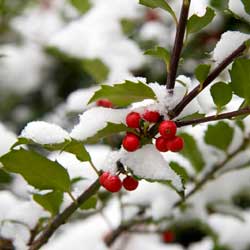
Not only can berries add an easy burst of color to the landscape no matter which direction you view it from, but they can attract winter wildlife as well. Winter berries may be black, white, red, orange, pink, purple, blue or golden. Popular options include…

  • Hollies (Ilex spp.)
  • Red Chokeberry (Aronia arbutifolia)
  • Korean Barberry (Berberis koreana)
  • Japanese Barberry (Berberis thunbergii)
  • Florida Dogwood (Cornus florida)
  • Cotoneaster varieties
  • Creeping Wintergreen (Gaultheria procumbens)
  • Heavenly Bamboo (Nandina domestica)
  • Winter King Hawthorn (Crataegus viridis ‘Winter King’)
  • Linden Viburnum (Viburnum dilatatum)
  • European Cranberrybush (Viburnum opulus)
  • Bayberry (Myrica pensylvanica)
  • Crabapples (Malus spp.)

Ornamental Bark

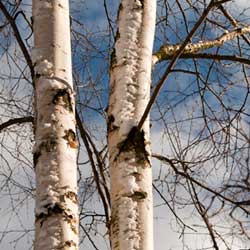
Exfoliating, or peeling, barks may reveal underlying bark of the same or differing color. Patterned, ridged or furrowed bark offers visual interest, especially against snow. Consider…

  • Paperbark Maple (Acer griseum)
  • Striped Maple (Acer pensylvanicum)
  • Arctic Fire Dogwood (Cornus stolonifera)
  • Redosier Dogwood (Cornus sericea)
  • American Hornbeam (Carpinus caroliniana)
  • Cinnamon Clethra (Clethra acuminata)
  • Paper Birch (Betula papyrifera)
  • Yellow Birch (Betula alleghaniensis)

Seed Heads

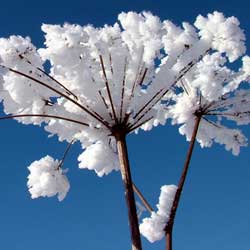
Although we often deadhead plants as blossoms die, leaving a few to overwinter is a fabulous idea. Not only do they provide uniquely organic winter sculptural interest to the garden, but they also provide feed and protection for birds. Winter seed heads, when backlit by the low winter sun, really add pop in the landscape. Try leaving some seed heads on the following plants…

  • Hydrangeas
  • Roses
  • Sedums such as Autumn Joy
  • Rudbeckias
  • Echinacea
  • Astilbe
  • Caryopteris

Unusual Branching

Especially beautiful when encased in ice, unusual branching patterns create natural focal points pulling the viewer’s vision through the winter garden. These plants prove a winter garden doesn’t need to be boring…

Twisting Growth:

  • Harry Lauder’s Walking Stick (Corylus avellana ‘Contorta’)
  • Curly Willow (Salix matsudana ‘Tortuosa’)
  • Twisty Cryptomeria (Cryptomeria japonica ‘Rasen-Sugi’)
  • Dwarf Twisty Baby Black Locust (Robinia pseudoacacia ‘Lacy Lady’)
  • Contorted White Pine (Pinus strobus ‘Contorta’)

Weeping Shape:

  • Weeping Cherry (Prunus subhirtella varieties)
  • ‘Lavender Twist’ Weeping Redbud (Cersis canadensis ‘Covey’)
  • Weeping Crabapples (Malus spp.)
  • Maples (Acer spp.)

Ornamental Grasses

Nothing adds structure to the winter garden like ornamental grasses. Whether blowing in the breeze and adding movement or covered with reflective ice, grasses add texture, volume and the subtle colors of seed heads. Great options include…

  • Silvergrass (Miscanthus spp.)
  • Switchgrass (Panicum spp.)
  • Northern Sea Oats (Chasmanthium)
  • Karl Foerster Feather Reed Grass (Calamagrostis ‘Karl Foerster’)
  • Fountaingrass (Pennisetum alopecuroides or P. setaceum ‘Purpureum’)
  • Tufted Hairgrass (Deschampsia cespitosa)
  • Pampas Grass (Cortaderia selloana ‘Pumila’)

Evergreens

No garden is complete without evergreens. Broadleaf evergreens and conifers establish the garden’s foundation. They anchor the beds when the perennials disappear, define boundaries and pathways and soften hard edges. Many broadleaf evergreens also provide summer flowers and fragrance.

Broadleaf Evergreens:

  • Aucuba japonica
  • Azalea and Rhododendron varieties
  • Boxwood varieties
  • Holly varieties
  • Laurels
  • Leucothue
  • Pieris varieties
  • Skimmia
  • Yucca

Conifers:

  • Spruces such as Dwarf Alberta Spruce (Picea glauca var. albertiana ‘Conica’)
  • Silver Korean Fir (Abies koreana ‘Horstmann’s Silberlocke’)
  • Umbrella Pines such as Japanese Umbrella Pine (Sciadopitys verticillata)
  • Junipers such as Blue Star Juniper (Juniperus squamata ‘Blue Star’)

Bulbs

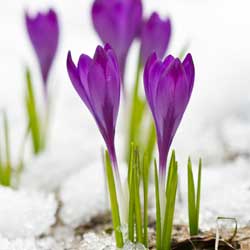
Several early bulbs emerge in the winter. Planted in the fall near entrances and along walkways, they offer their promise spring is just around the corner and can add a burst of color to the end of winter. Popular options include…

  • Crocus varieties
  • Yellow Danford Iris (Iris dandordiae)
  • Snowdrops
  • Blue Silberian Squills (Scilla)
  • Snow Glories (Chionodoxa)
  • Grape Hyacinth (Muscari)
  • Hyacinths

Even though you can’t being planting now, you can begin planning, and perhaps even installing, non-plant garden features such as benches, yard art or lighting. LED lighting along pathways may be high on your list and we have the newest products to help your guests navigate to your doorway in any season. A bench, arbor or trellis adds structure and interest to the garden and will make a perfect meditation spot or reading nook when the weather warms up. You might want to plan a pond, the perfect spot for a fountain or even consider adding a sundial, fire pit or other unique feature to the yard. Whatever your garden dreams, we can help you achieve them, and you’ll never look out at your winter garden and wonder what could be again!

CreatingWinterInterest_1CreatingWinterInterest_2CreatingWinterInterest_3

CreatingWinterInterest_4

CreatingWinterInterest_5